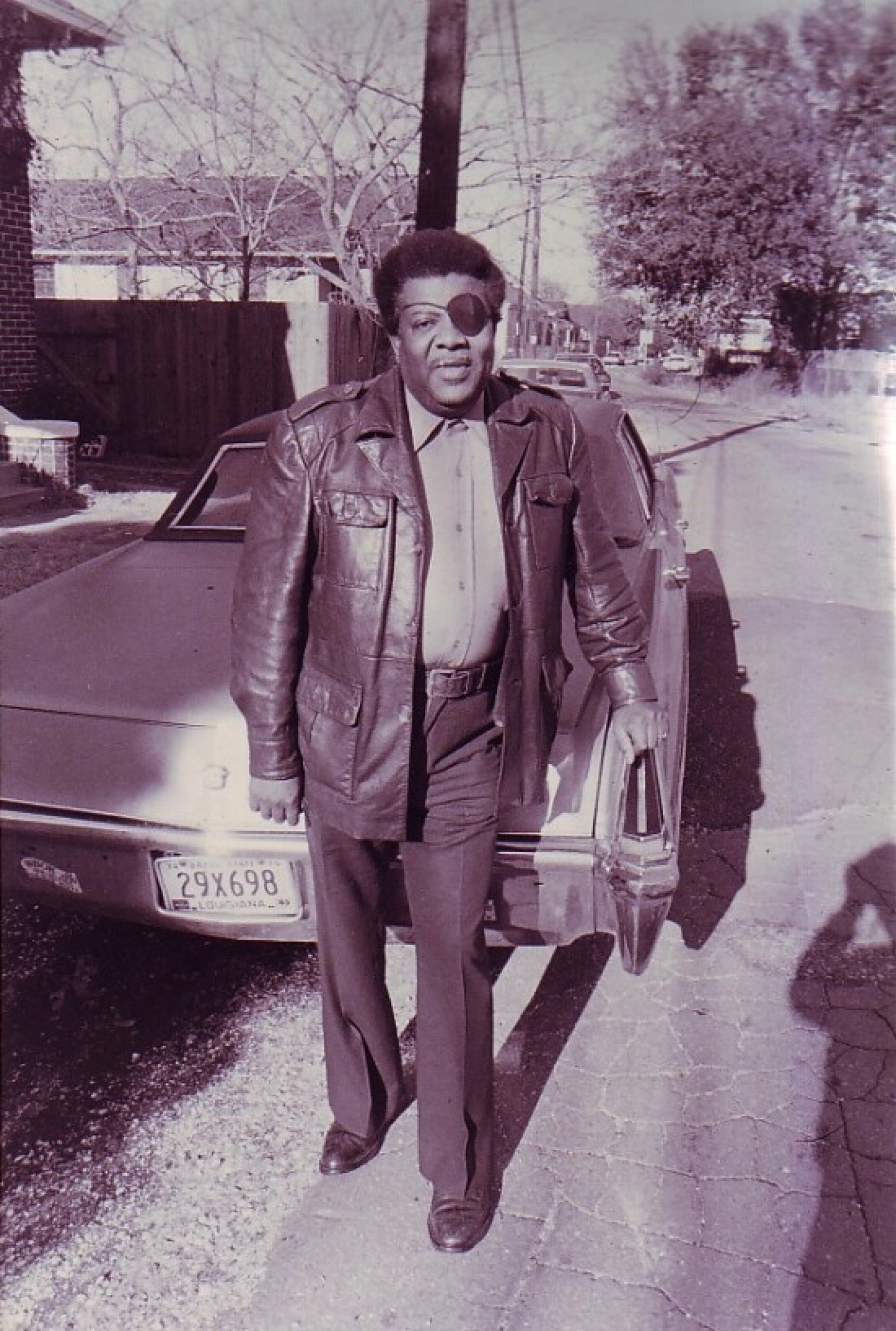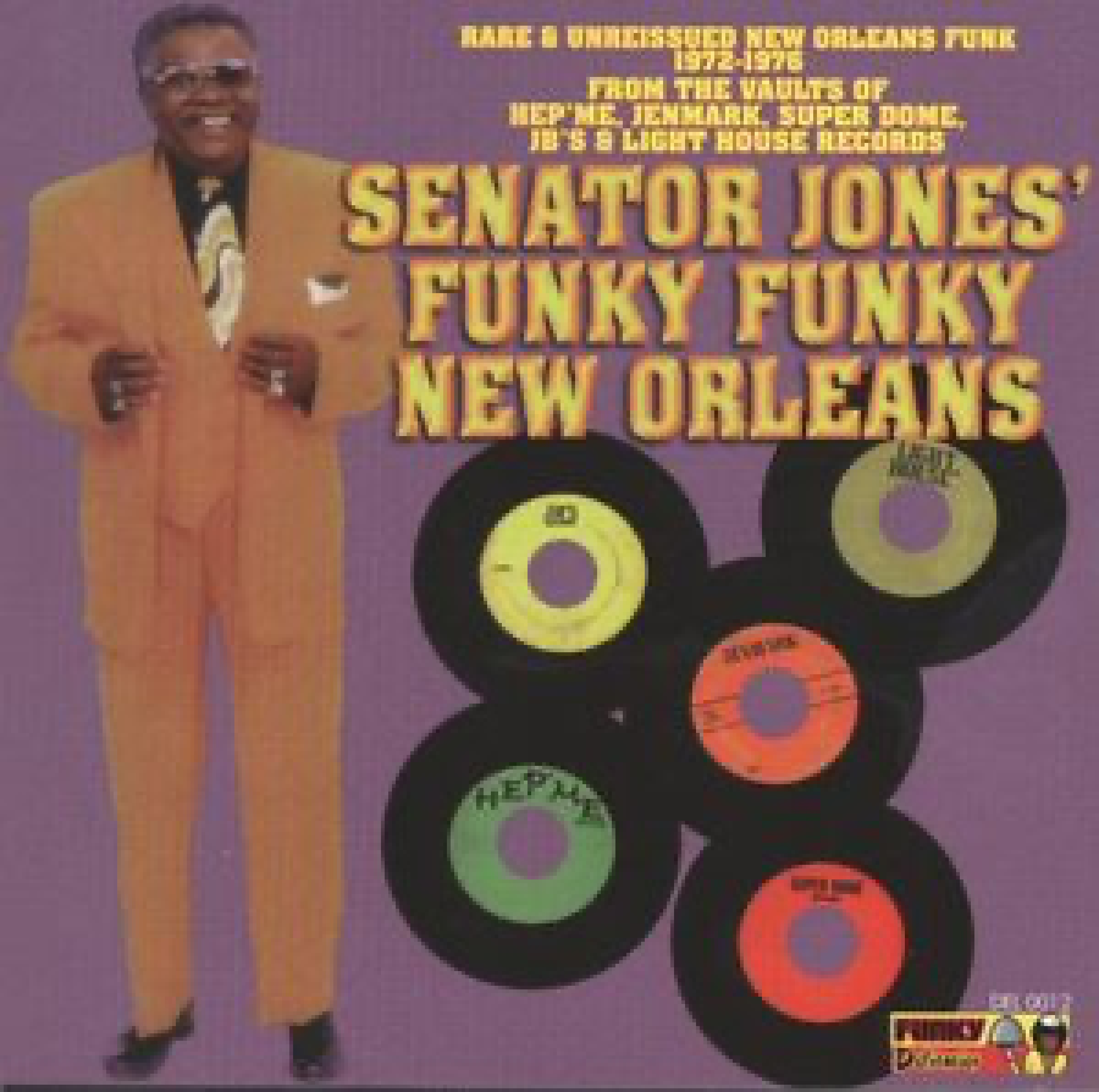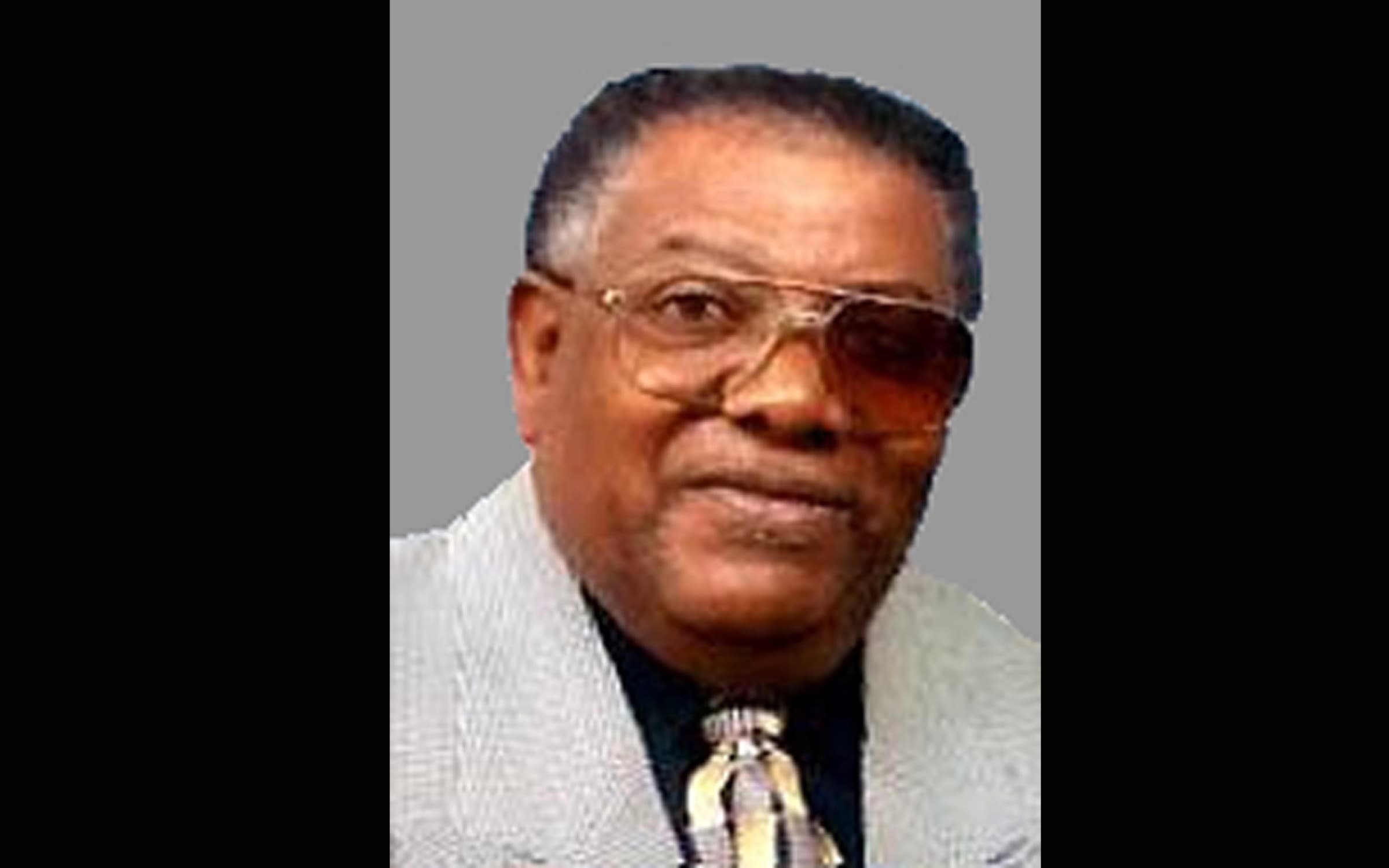
Senator Nolan Jones, celebrated New Orleans R&B and Southern Soul pioneer producer was born on November 9, 1934 in Jackson, Mississippi.
Senator Nolan Jones, celebrated New Orleans R&B and Southern Soul pioneer producer was born on November 9, 1934 in Jackson, Mississippi. "I was always interested in music," he recalled. “I was a big blues lover, you never could play enough blues for me." His mother, a back up singer for Mahalia Jackson, strengthened his interest in music. "I used to duck in the cafes and ice cream parlors on Farish and Fortification streets and listen to people like Buddy Johnson, Muddy Waters, Jimmy Liggins and Louis Jordan on the jukebox. I even saw Elmore James play in Jackson."
Senator Jones was one of the most important innovators of the modern Southern Soul Sound, and who produced many Southern Soul and blues records in both New Orleans and at his “ranch” and home in the country in Bolton, Mississippi (some 20 miles west of Jackson, Mississippi). Senator Jones moved with his family to New Orleans, Louisiana in 1951 and remained in the city after his parents soon returned to Jackson, Mississippi. He worked as a laborer for two years until he was drafted into the Army in 1953. While stationed at Fort Benning, Georgia, Jones performed with the Desperados, a vocal group whose members included Oscar Toney Jr. and Jo Jo Benson.
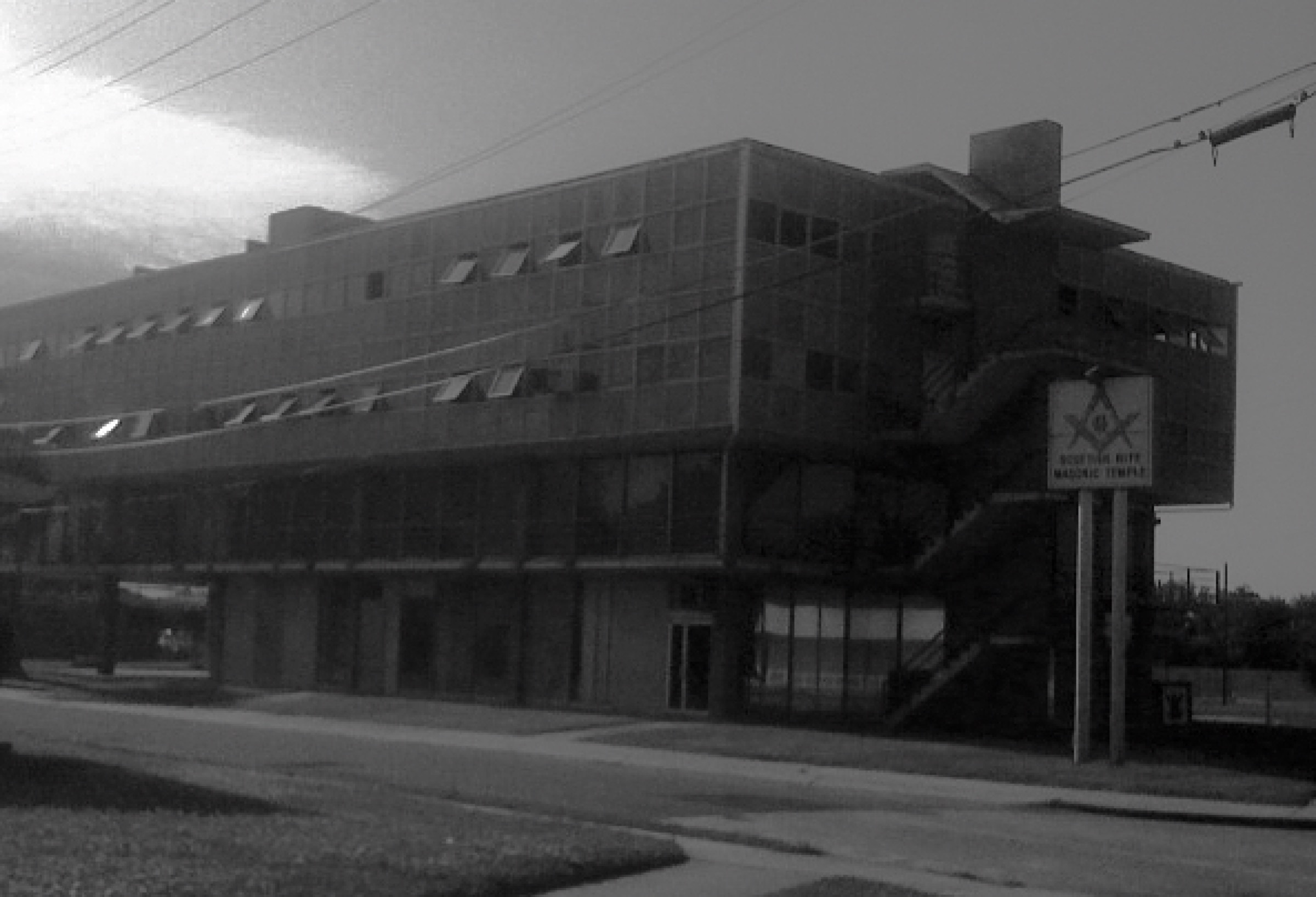
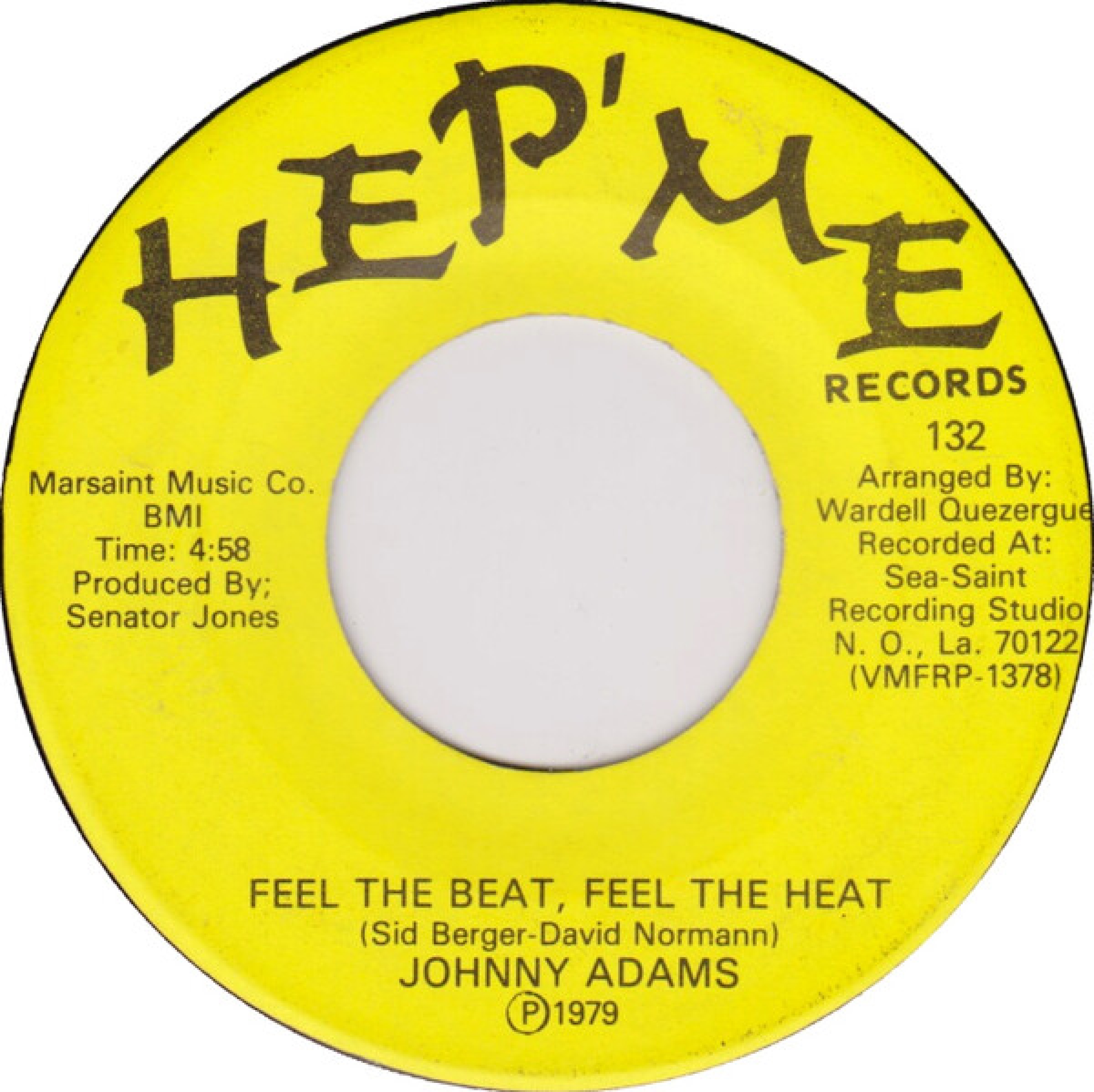
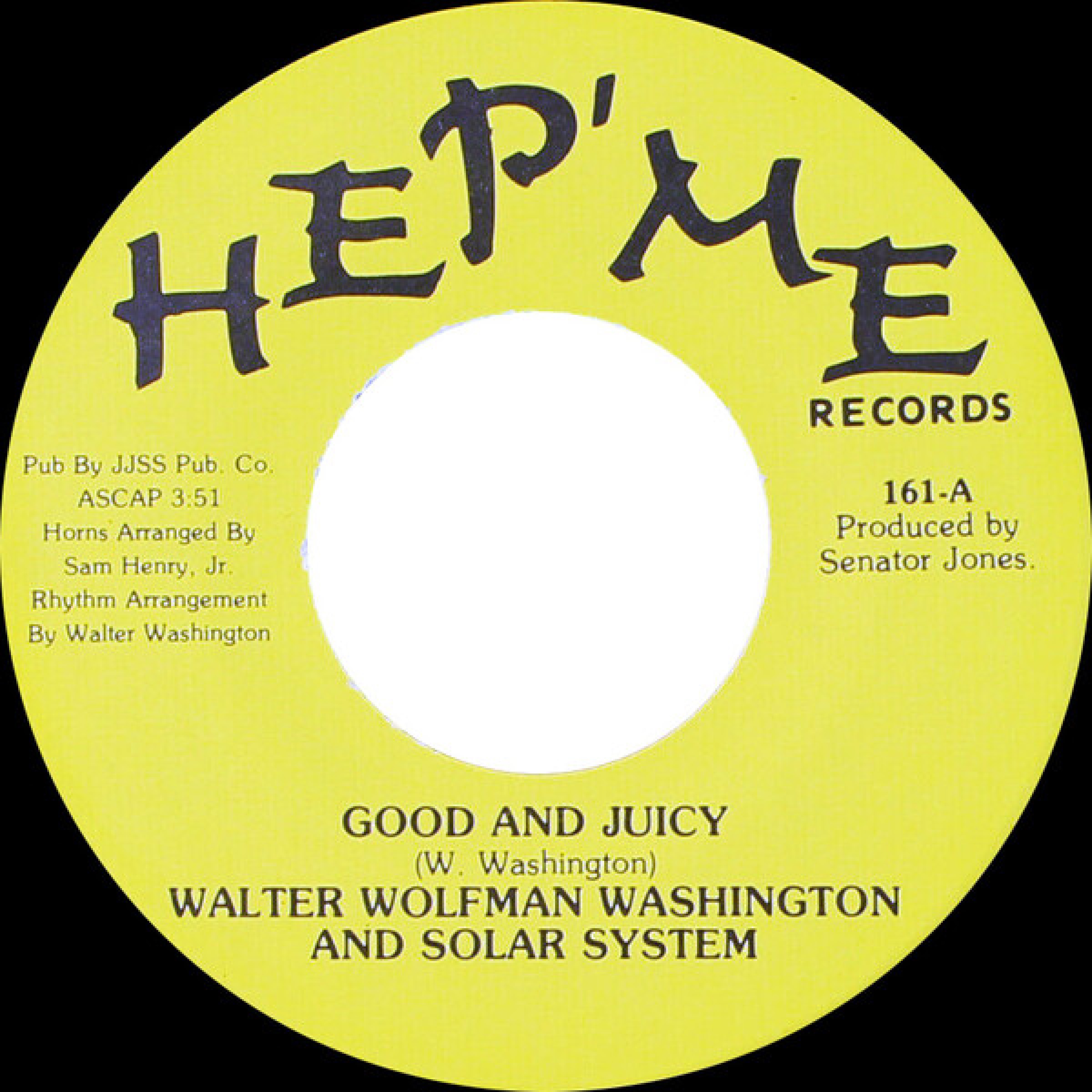
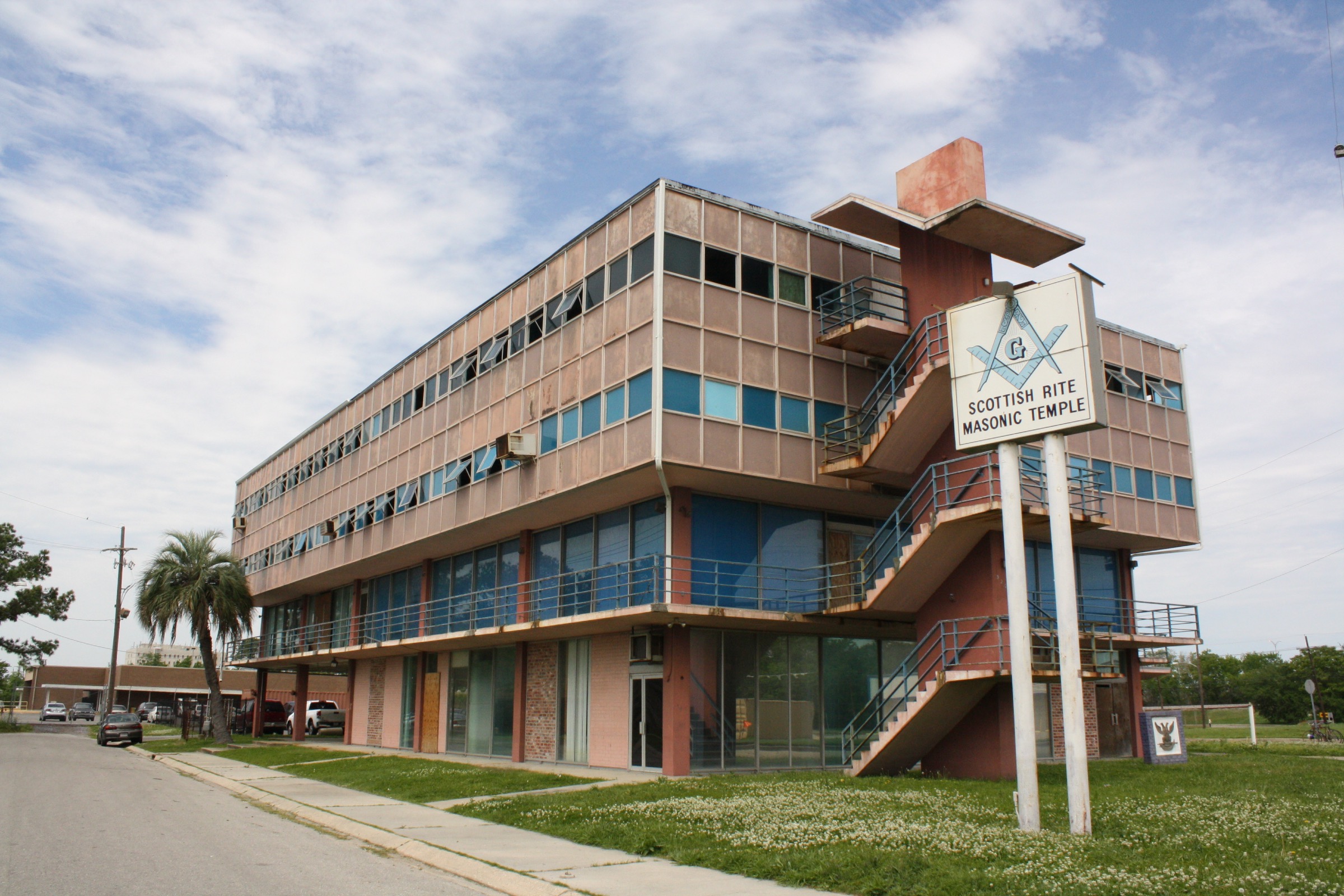
An influential force in the Southern Soul movement, Senator Jones helped launch and develop the career of many Southern Soul and Blues artist. Senator Jones started Hep Me Records, a Mississippi based blues, southern soul and zydeco record label, which he operated right up until the day he died. He ran Hep' Me Records and Erica Productions from the late 1960s through the early 1980s — His office was located at the Scottish Rite Masonic Temple at 3200 St. Bernard Avenue. Senator Jones became one of the Crescent City's last great independent "record men". Beginning in the late 1960s, he launched a prolific string of local labels—including Black Patch, Shagg, Superdome, Jenmark, JB's, and Hep' Me — often cutting sessions at Sea-Saint Studio (a music recording facility located at 3809 Clematis Street in New Orleans, Louisiana, which was co-owned by musician, producer, and arranger, Allen Toussaint and record A&R man and publishing agent Marshall Sehorn, which was in operation for over thirty years, from 1973-2005, when it was destroyed during Hurricane Katrina).
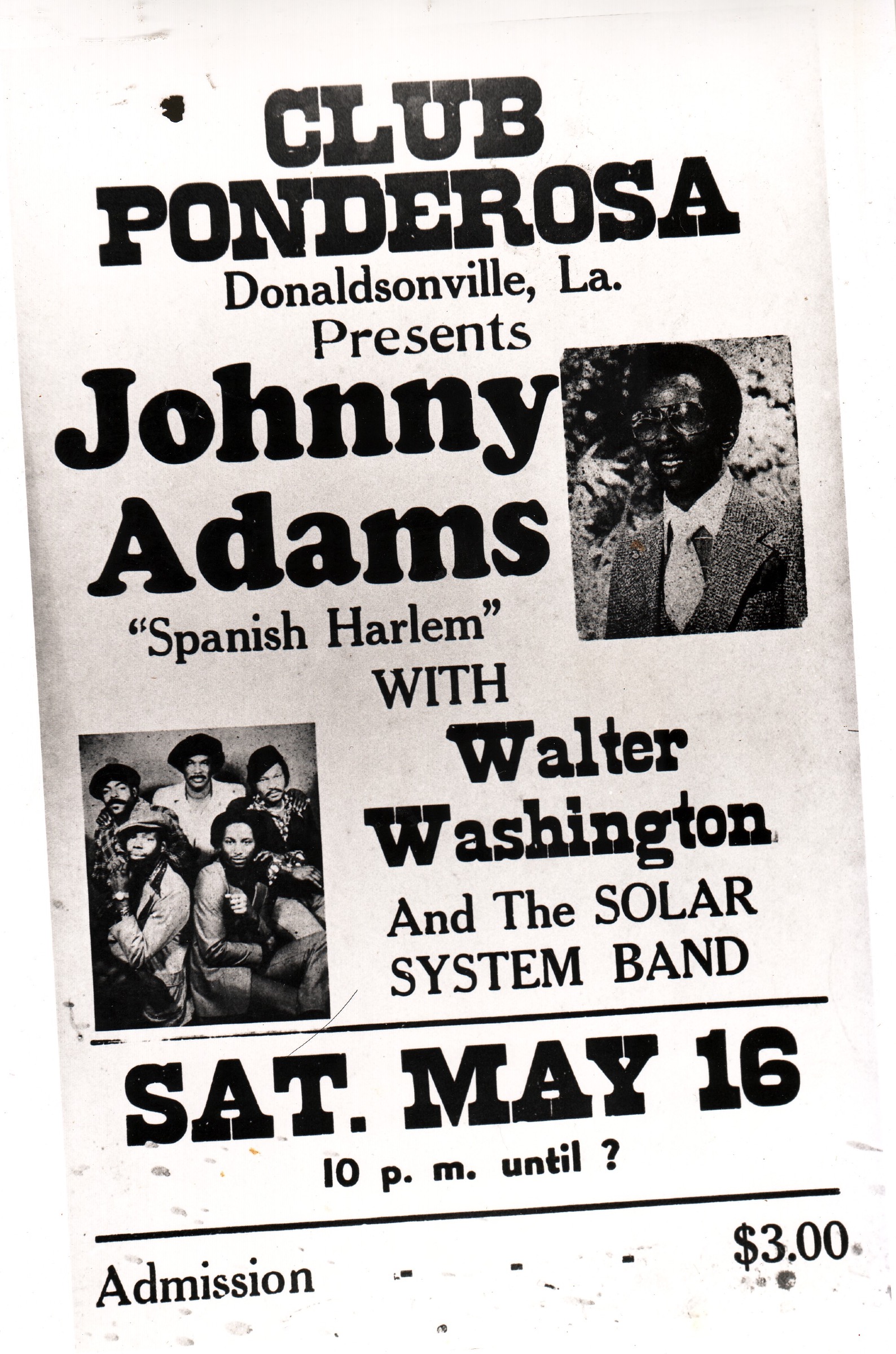
The artists on the Hep' Me record label included Johnny Adams, Chris Kenner, Bobby Powell, Tommy Ridgley, Barbara George, and Walter "Wolfman" Washington. Senator Jones struck a deal with co-owner Marshall Sehorn to exchange a percentage of his record sales and licensing rights for studio time at Sea-Saint Studio. In the 1970s, he worked extensively out of Allen Toussaint and Marshall Sehorn's Sea-Saint Studios in New Orleans. Notably, in 1974, he acquired the rights to Bill Sinegal's "Second Line," helping turn it into a New Orleans standard. In 1983, Senator Jones released one of the first rap records to come out of the city on his Super Dome Records label. The twelve-inch single by Parlez was titled “Make It, Shake It, Do It Good!”, a Carnival-themed song with references to Mardi Gras Indians, the Zulu Parade, and other Mardi Gras traditions.
In the 1990s, Senator Jones, the celebrated New Orleans R&B and Southern Soul pioneer, relocated back to his hometown of Jackson, Mississippi and partnered with Warren Hildebrand of Mardi Gras Records to record and promote Sweet Miss Coffy, Peggy Scott-Adams, the Love Doctor, Sir Charles Jones and others on his Hep' Me Records label, for the down home radio market in a genre known as Southern soul, and later spent his final years mentoring artists and hosting his late-night radio show as "Uncle Bobo" on WMPR until his passing in November 2008.