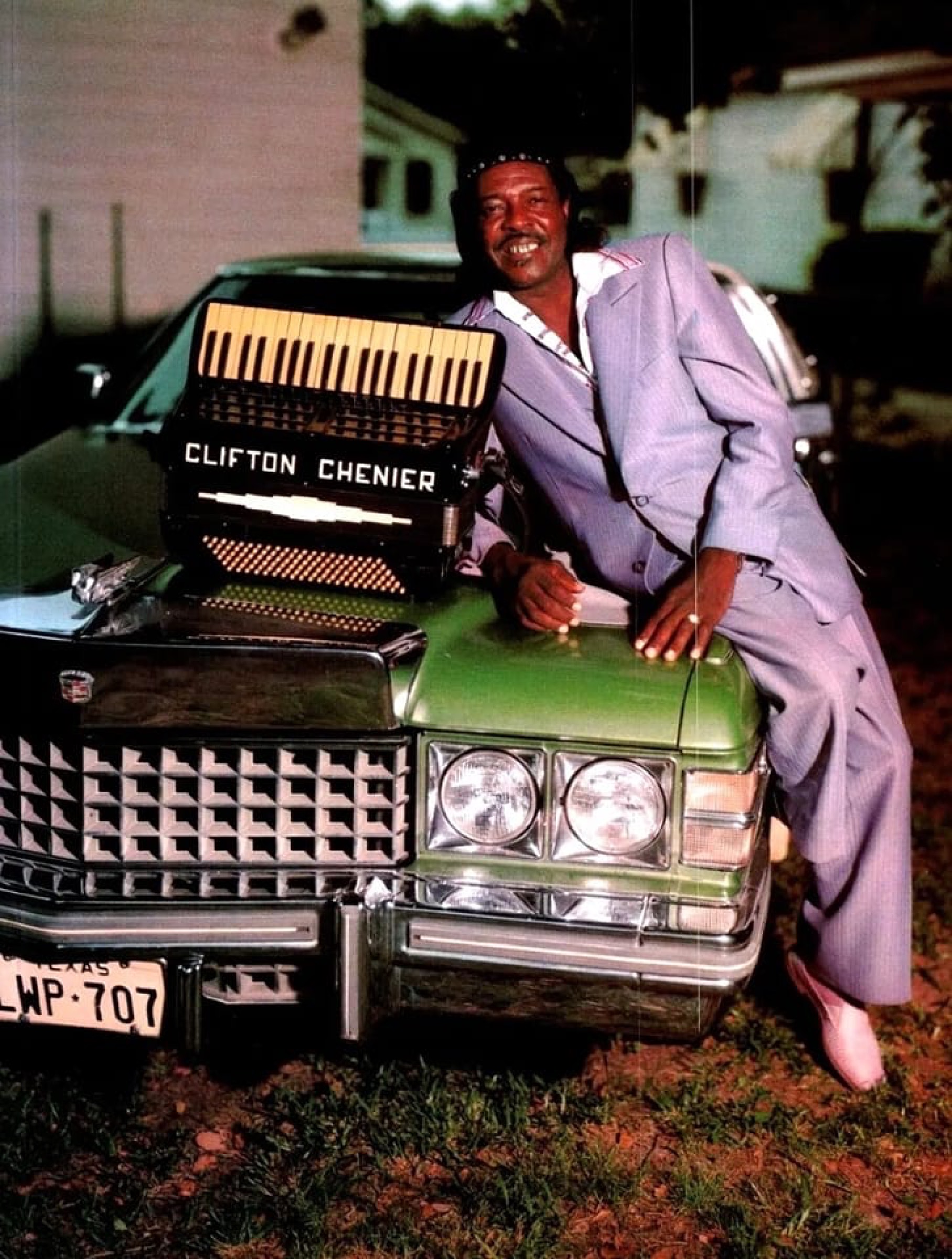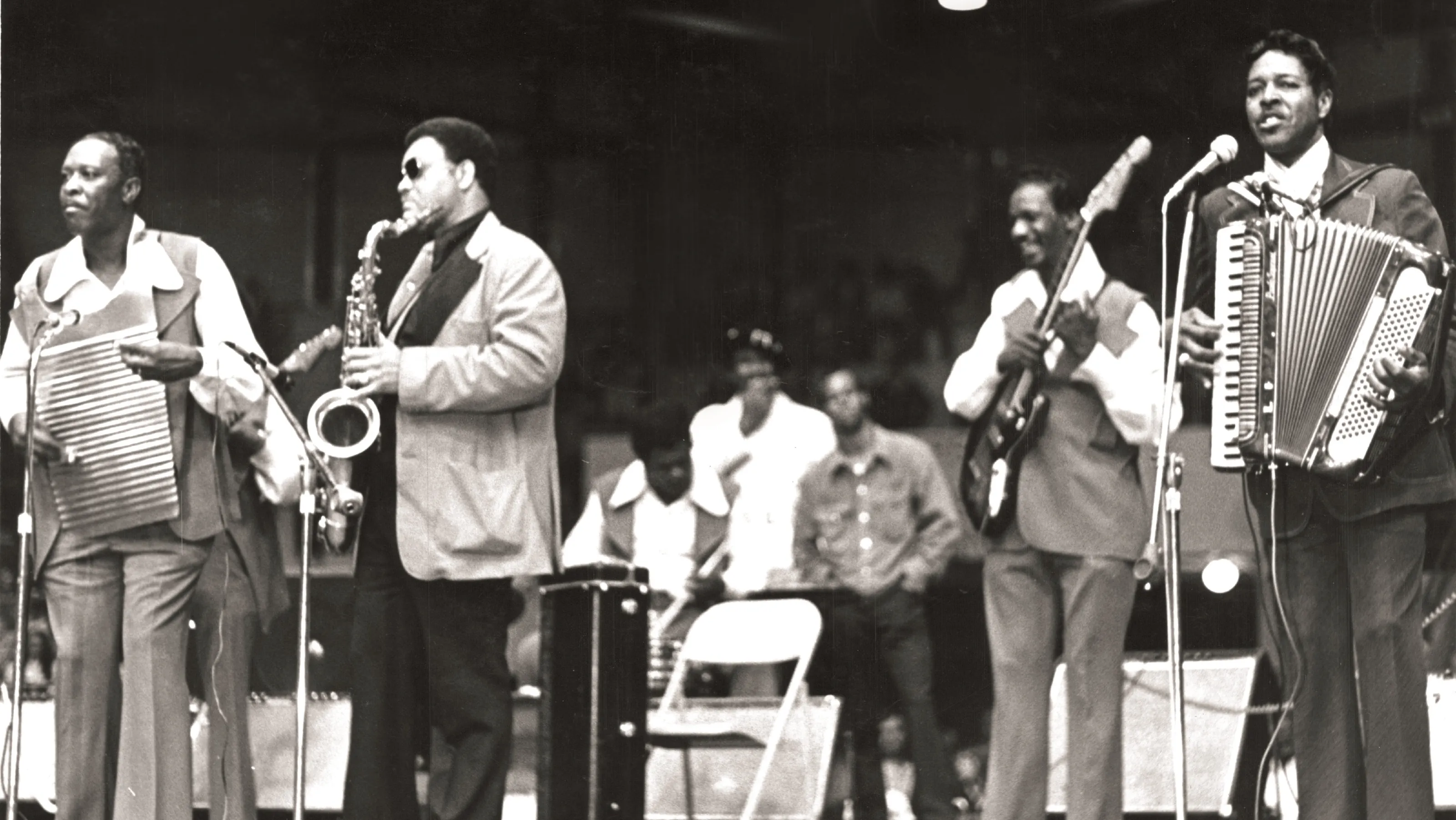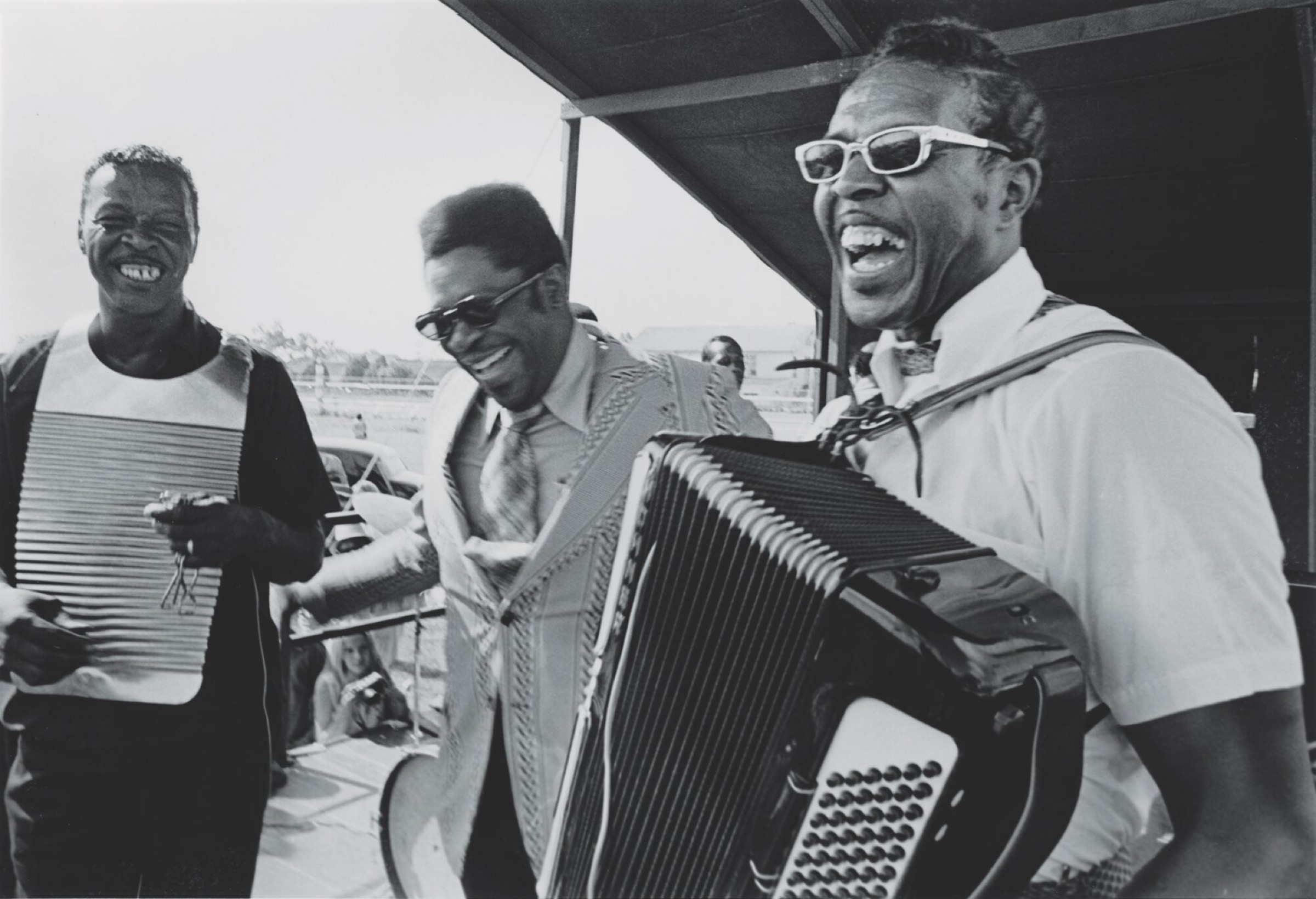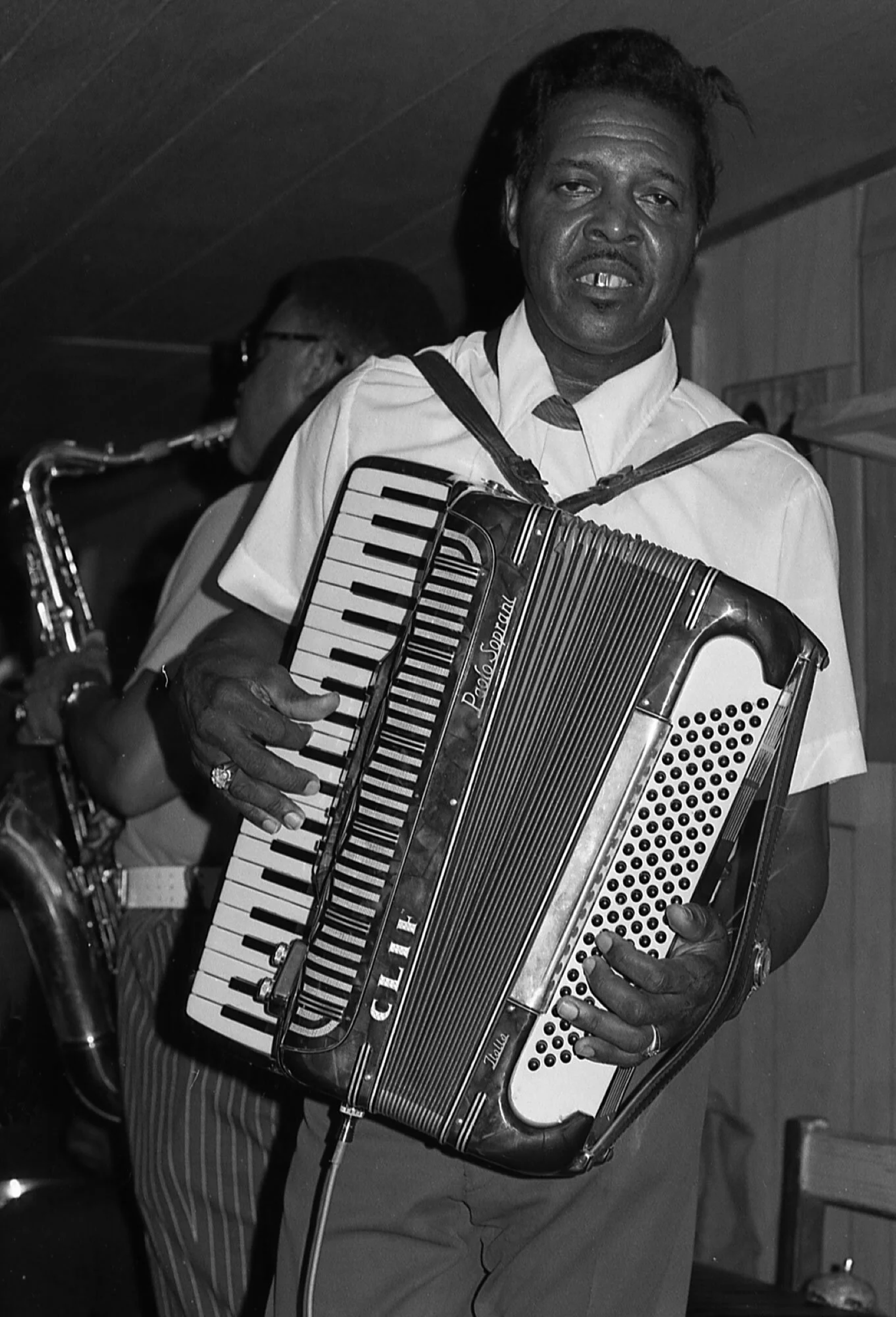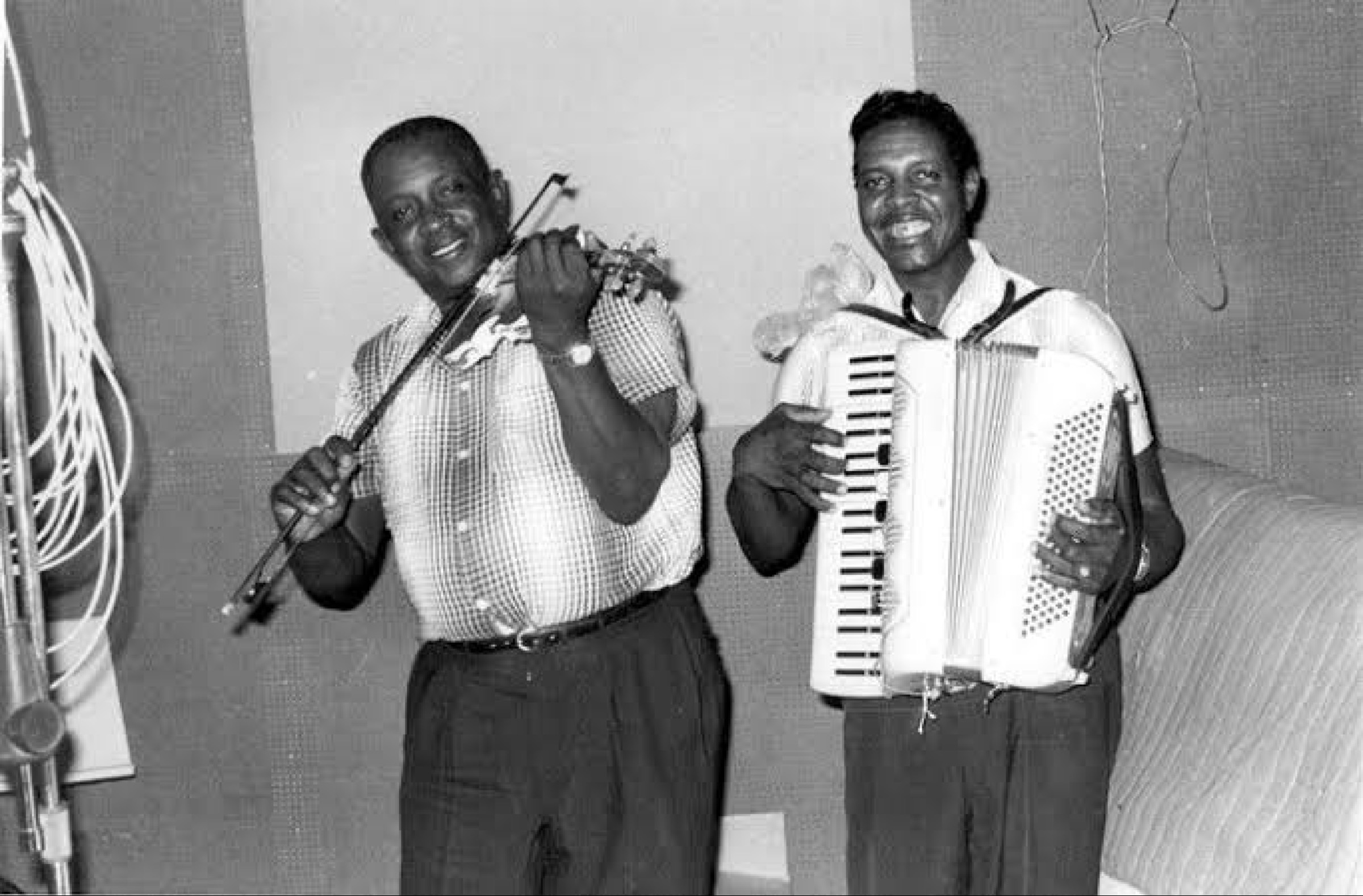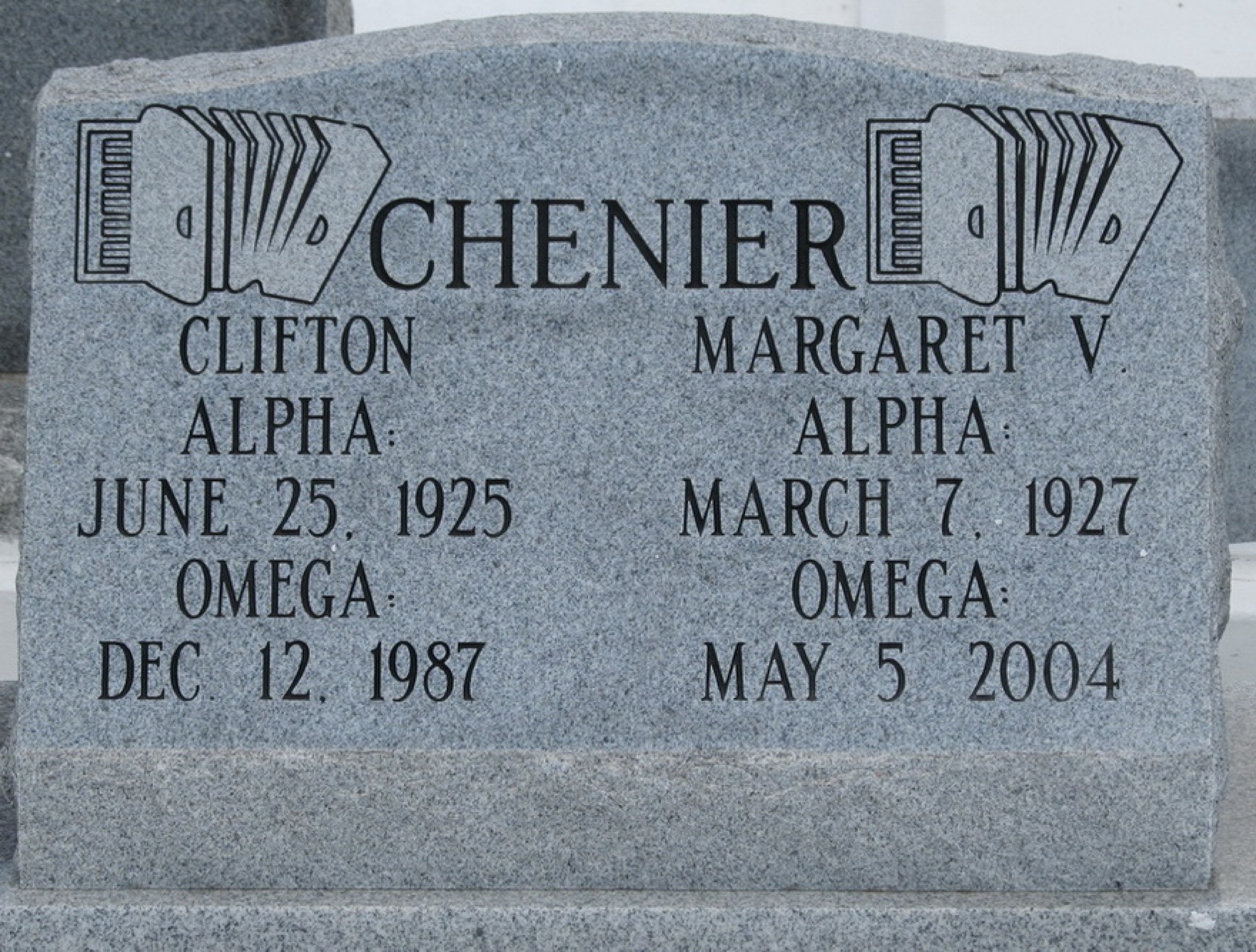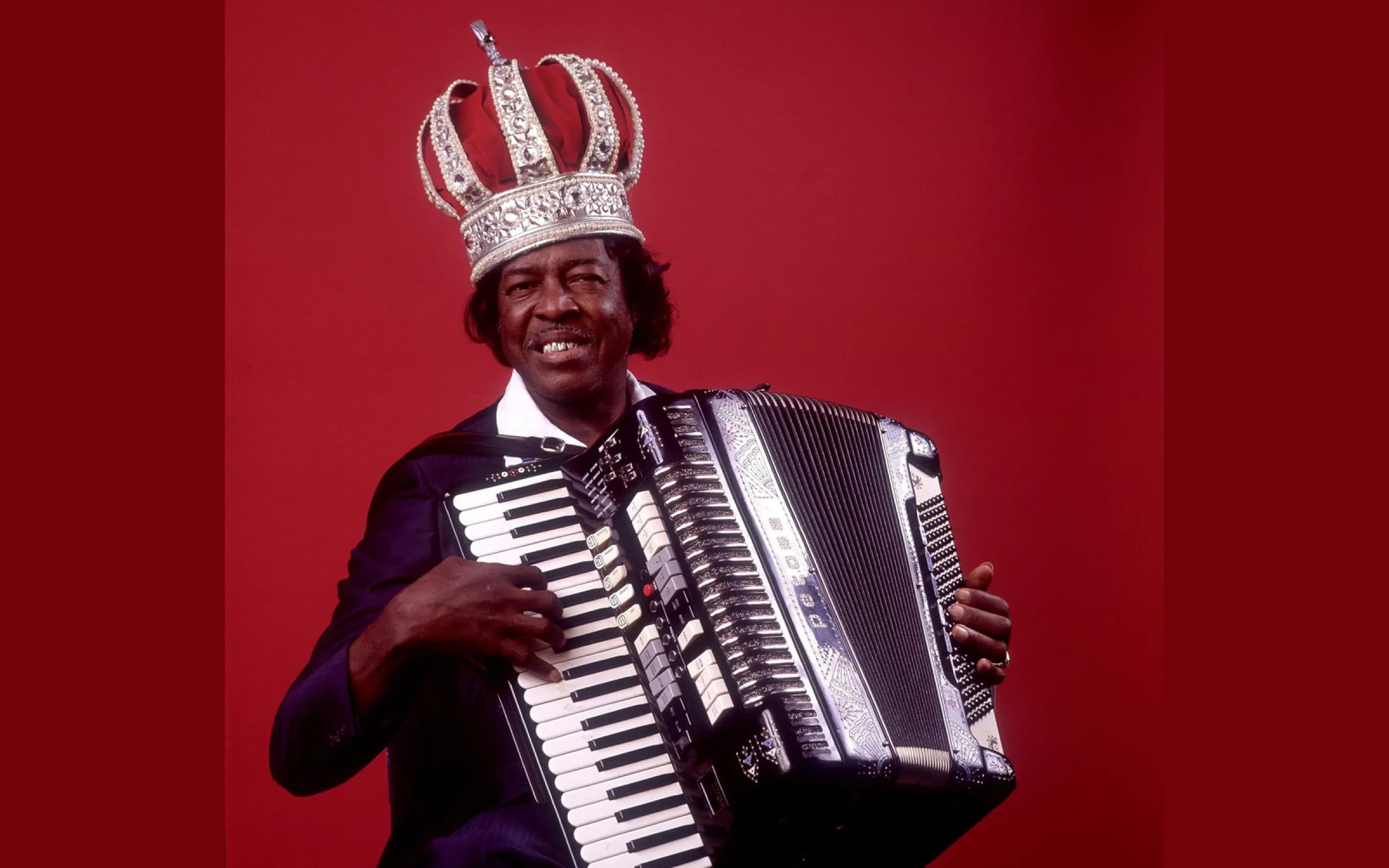
Clifton Chenier, “the King of Zydeco” and Creole French speaking native of Notelyville, a small community outside of Opelousas, Louisiana died on December 12, 1987 at the age of 62 after a long struggle with kidney disease.
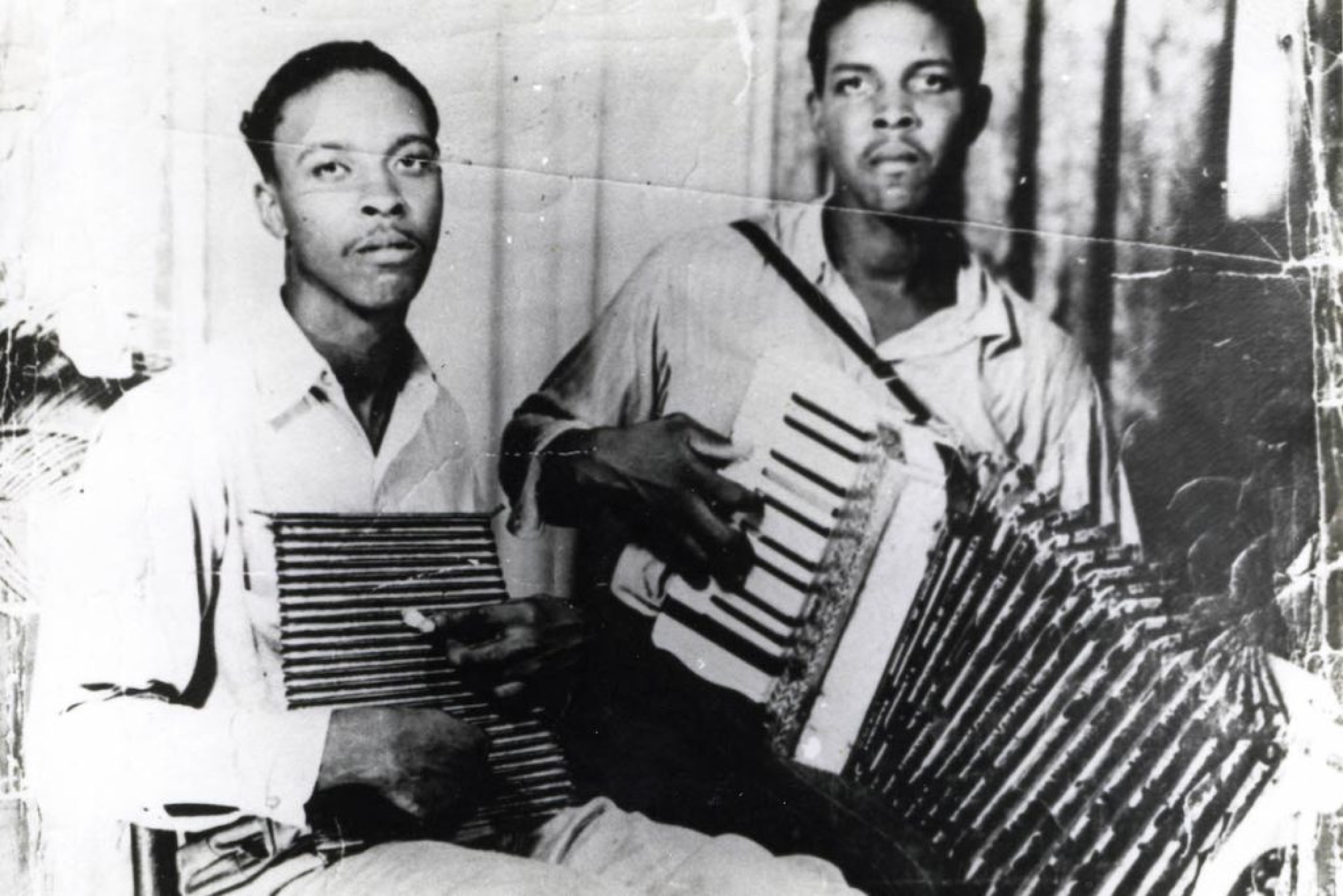
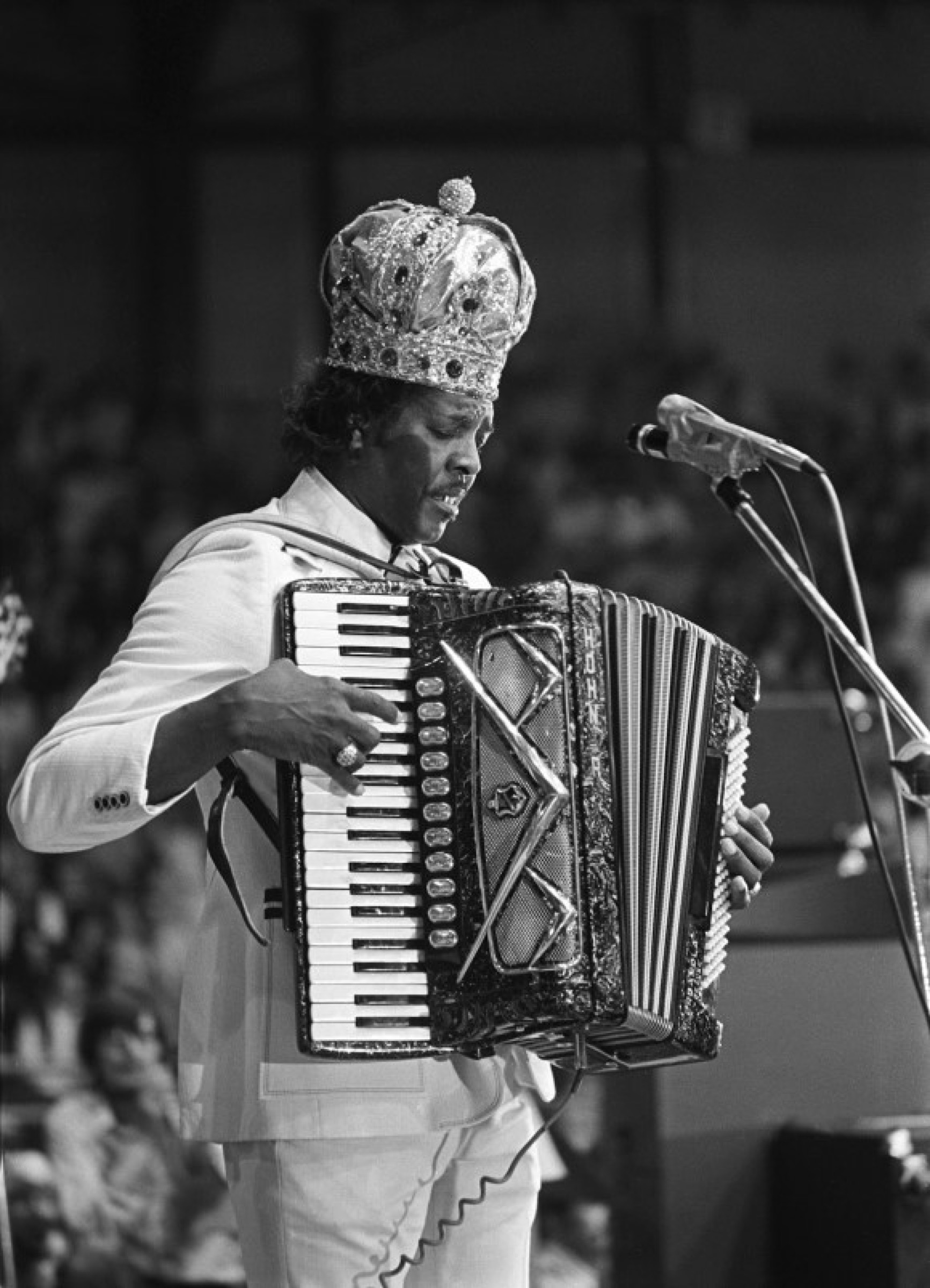
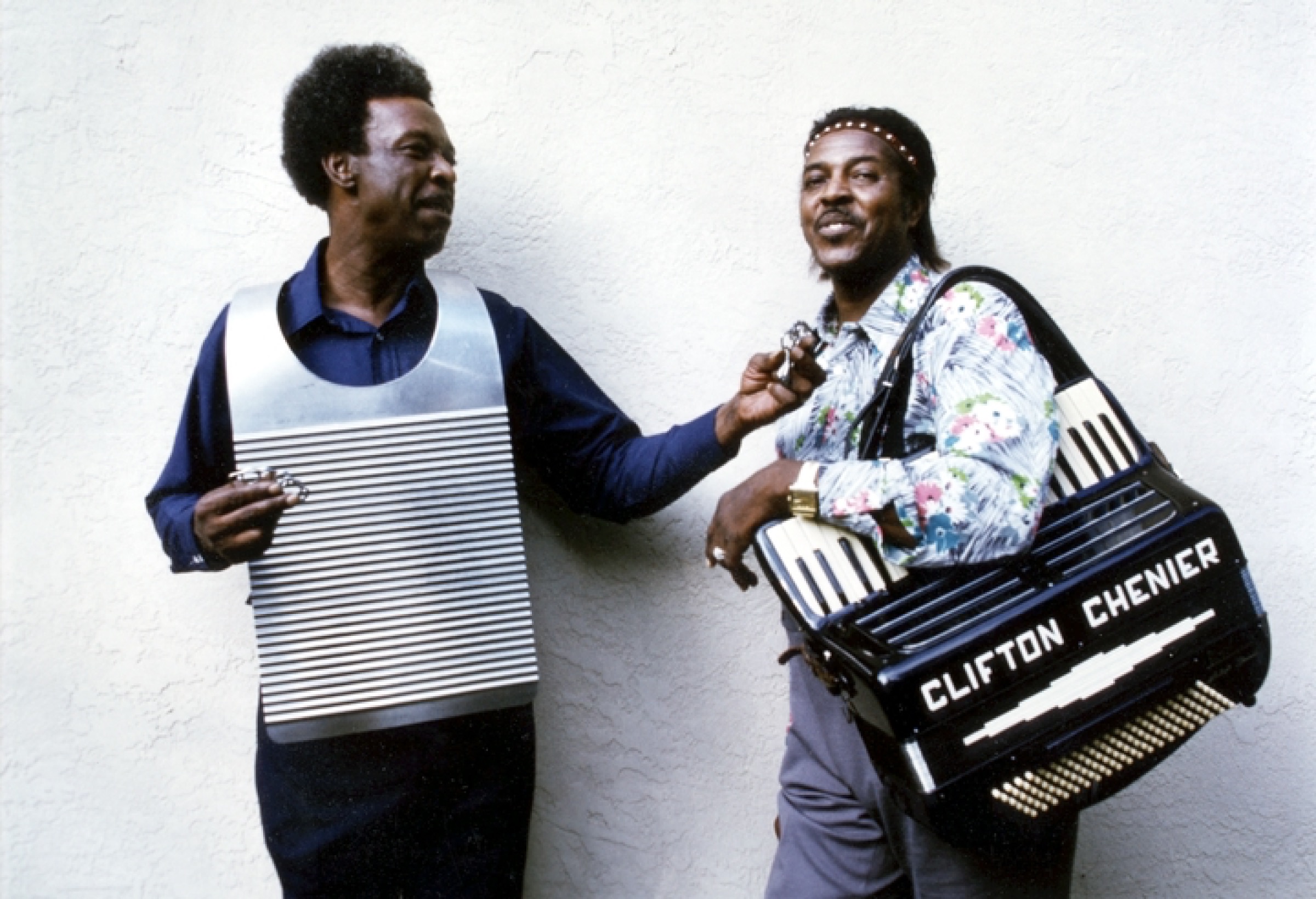
Clifton Chenier, “the King of Zydeco” and Creole French speaking native of Notelyville, a small community outside of Opelousas, Louisiana died on December 12, 1987 at the age of 62 after a long struggle with kidney disease in Lafayette, Louisiana. Clifton Chenier's flamboyant personality, personified by his gold tooth and the cape and crown that he wore during concerts, set the standard for all the zydeco musicians who have followed in his footsteps. Clifton Chenier is also credited with redesigning the wood and crimped tin washboard into the frottoir, an instrument that would easily hang from the shoulders.
In 1983, Clifton Chenier was the first Creole to be presented a Grammy award on national television for his album, "I'm Here." Clifton Chenier was also awarded National Heritage Fellowship, the highest honor in U.S. folk and traditional arts by the Nation Heritage Fellowship in 1984. In 1989, Clifton Chenier was posthumously inducted into the Blues Hall of Fame in Memphis, Tennessee and in 2011, he was inducted into the Grammy Hall of Fame for his album, Bogalusa Boogie (recorded by Clifton Chenier & the Red Hot Louisiana Band in 1975) and the Louisiana Music Hall of Fame.
In 2014, Clifton Chenier was posthumously awarded the Grammy Lifetime Achievement Award along with the Beetles, the Isley Brothers, Kriss Kristofferson, Kraftwerk, Maud Powell, and Armando Manzanero. Clifton Chenier is the only Zydeco Musician to ever receive a Grammy Lifetime Achievement Award. Two years later in 2016, the Library of Congress selected and inducted Bogalusa Boogie for the National Recording Registry because of its cultural, historical, and artistic significance to American music soundscape.".
Clifton Chenier is buried in All Saints Cemetery in Loreauville, Louisiana located in Iberville Parish.