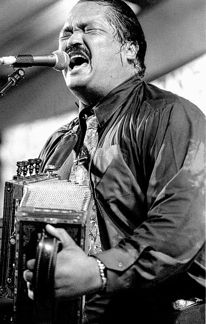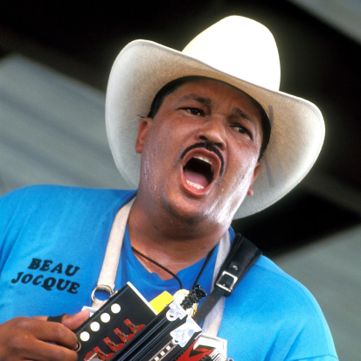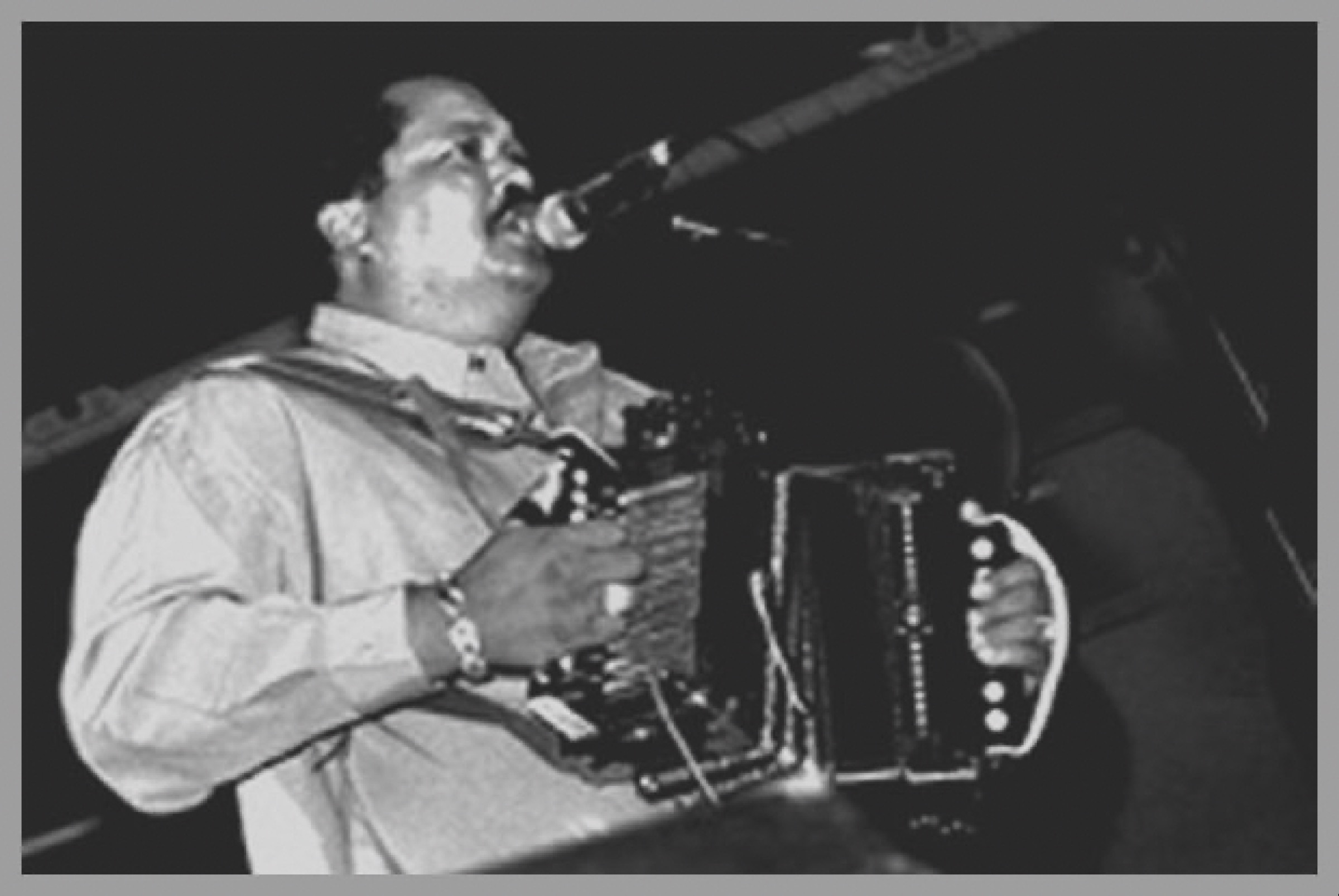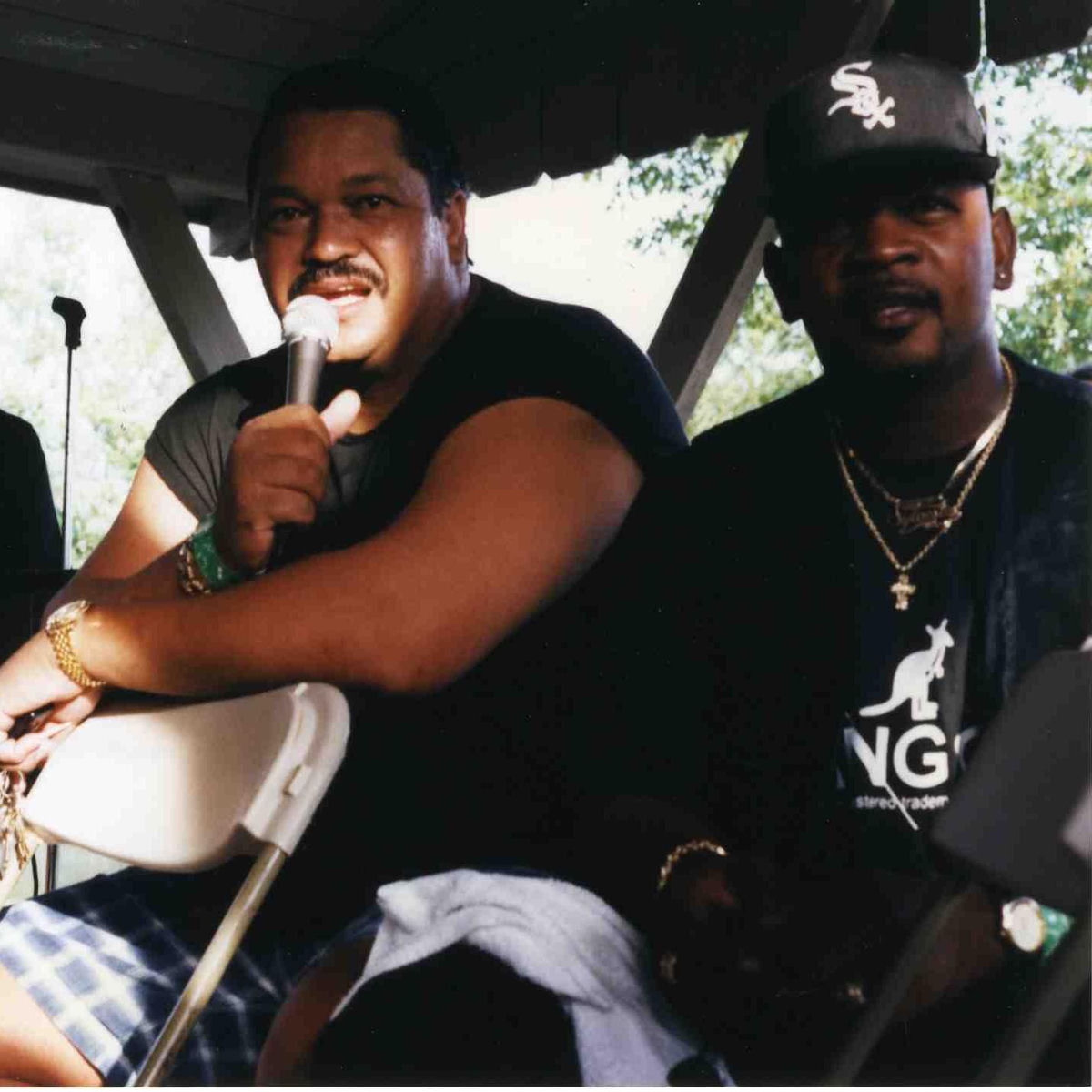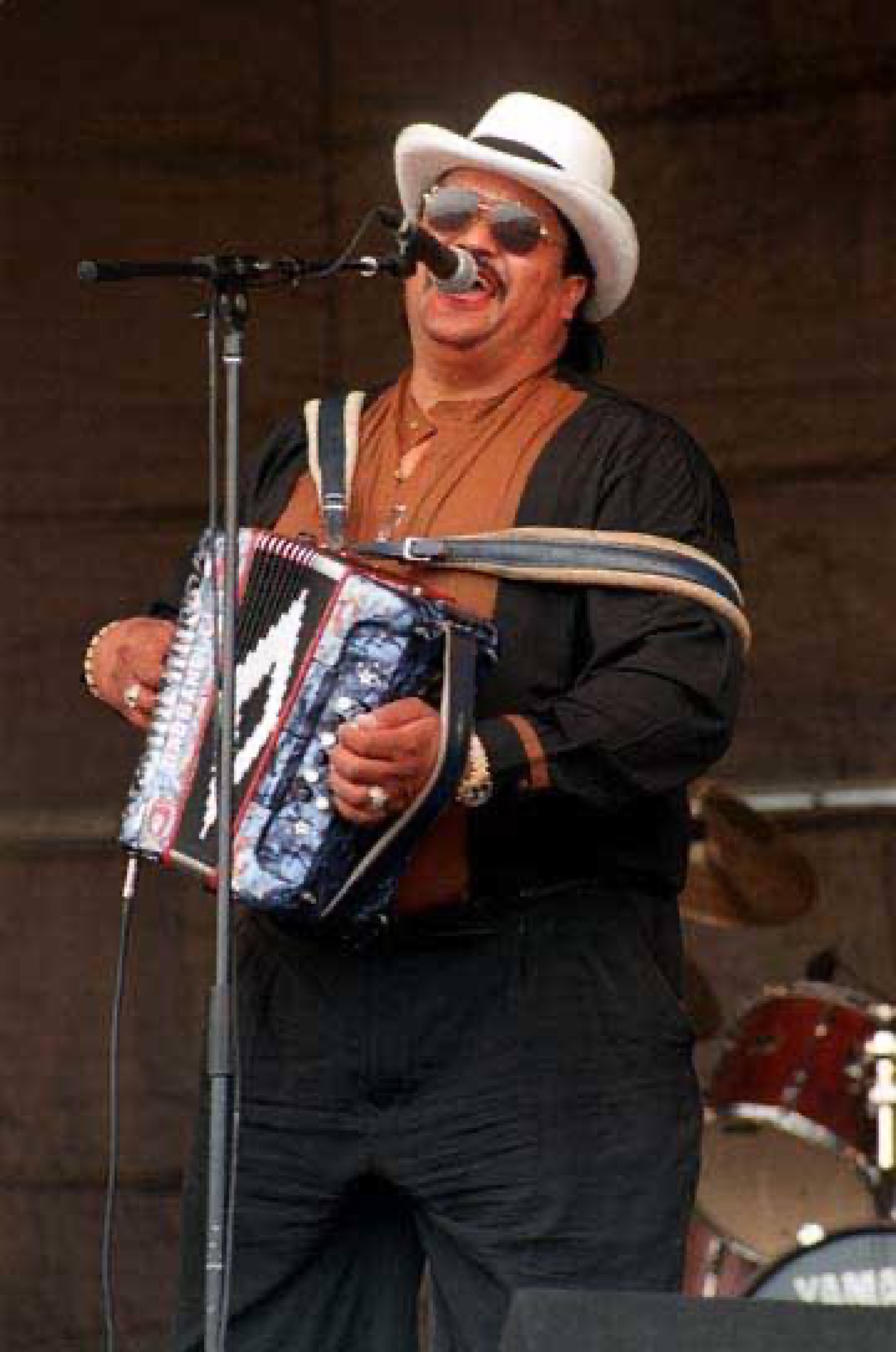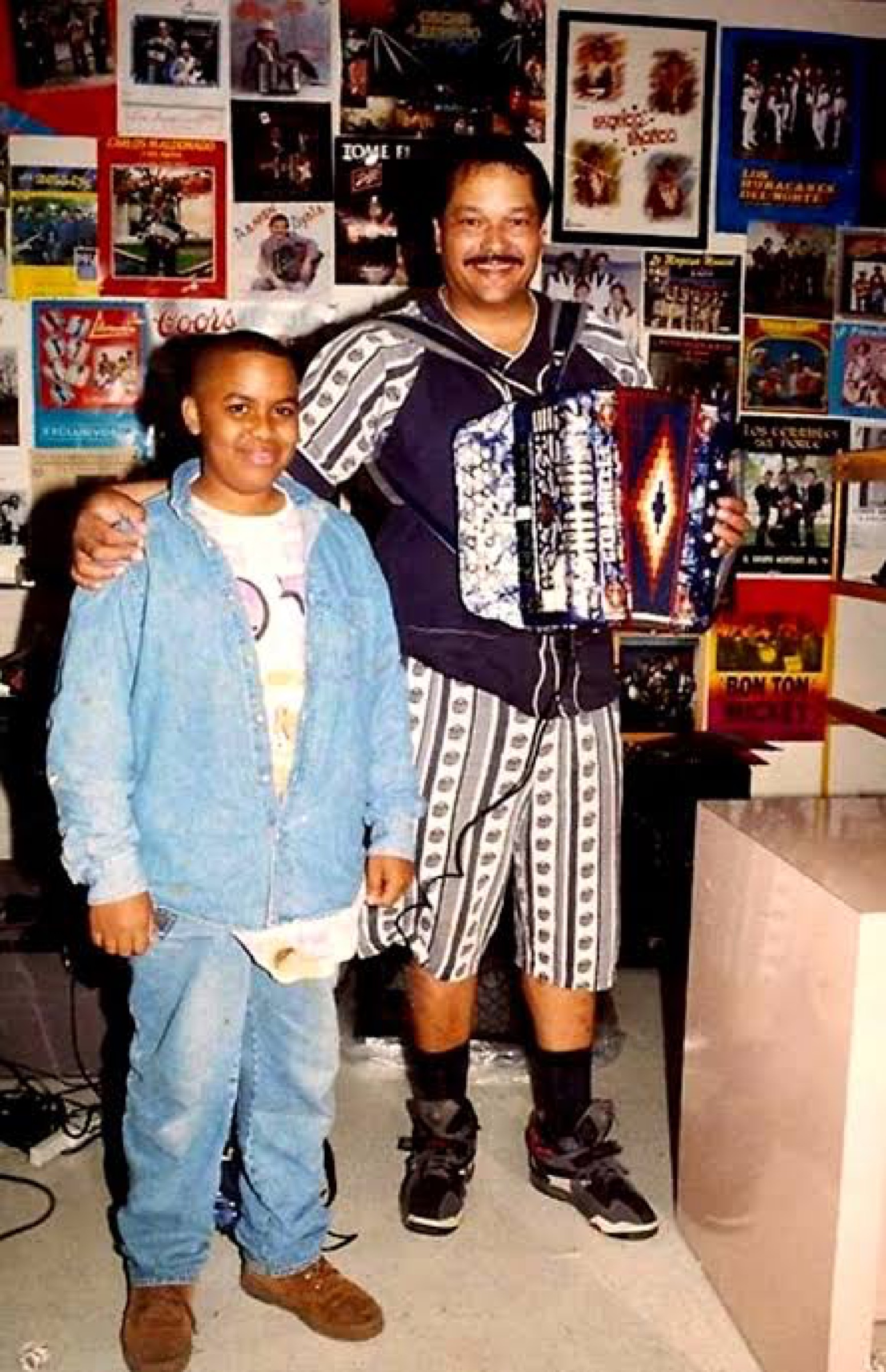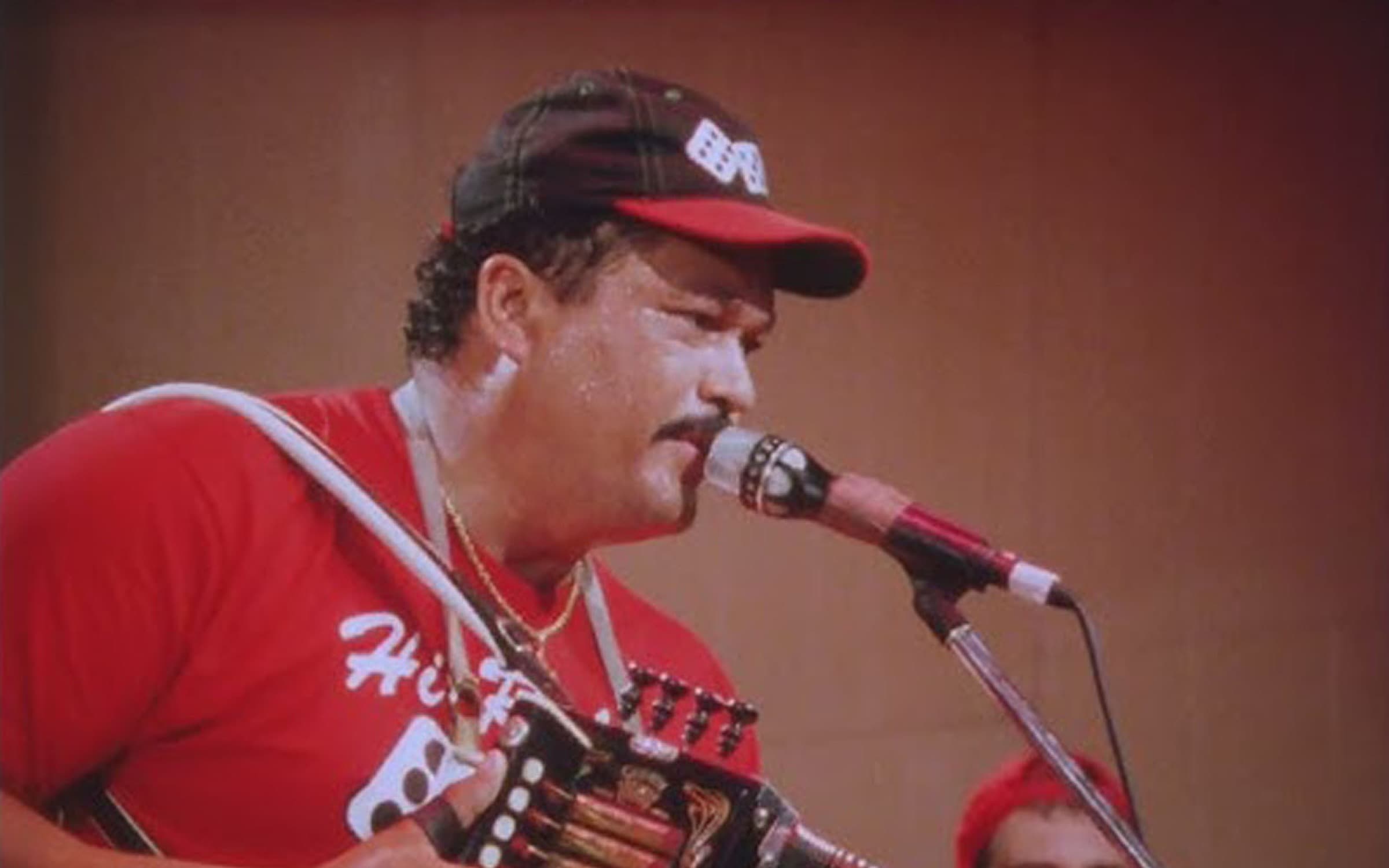
Andrus Espreé, known to the Zydeco Nation as Beau Jocque (which means Big Guy), was born on November 1, 1953 in Duralde, Louisiana.
Andrus Espreé, known to the Zydeco Nation as Beau Jocque (which means Big Guy), was born on November 1, 1953 in Duralde, Louisiana to Sandrus and Vernice (née Allen) Espreé.
His father (nicknamed "Tee Toe") was a well-respected accordion player who performed at many local dances, but who quit playing music when Andrus' older brother was born. After serving nine years in the Air Force and working in an oil refinery, Andrus Espreé, suffered a serious work-related accident in 1987 that left him temporarily paralyzed. During his recovery, he began playing his father's button accordion, which sparked his musical journey.
Lead singer of the Zydeco group Beau Jocque & the Zydeco Hi Rollers (formed in 1991), Andrus Espreé stood at an impressive 6’-6”, 270 pounds, and was known for his gruff vocals, his fusion of many musical styles onto zydeco, and above all, for the powerful energy of his rhythm and sound. Beau Jocque recorded and performed in Louisiana French, Creole, and English, making his music accessible to a broad audience. He revolutionized traditional zydeco music by infusing traditional accordion-driven zydeco with hard-hitting elements of funk, hip-hop, blues, and rock, creating a highly energetic, bass-heavy hybrid that captivated younger, mainstream audiences.
Beau Jocque is credited with inventing the contemporary zydeco sound known as “nouveau zydeco.” His 1993 debut album, Beau Jocque Boogie, quickly became the highest-selling zydeco record in history. His signature anthem, "Give Him Cornbread," seamlessly blended hip-hop beats, rock guitar riffs, and Creole accordion. The track became a massive regional hit, leading to an iconic live tradition where ecstatic fans would playfully throw pieces of cornbread onto the stage during his performances. At the peak of his career and national crossover success—including a memorable performance on the Late Show with David Letterman and a highly celebrated, rare television appearance on Australian TV during his 1998 Australian tour marking a marked a milestone in his effort to introduce traditional Louisiana Creole culture and modern zydeco dancehall rhythms to international audiences.