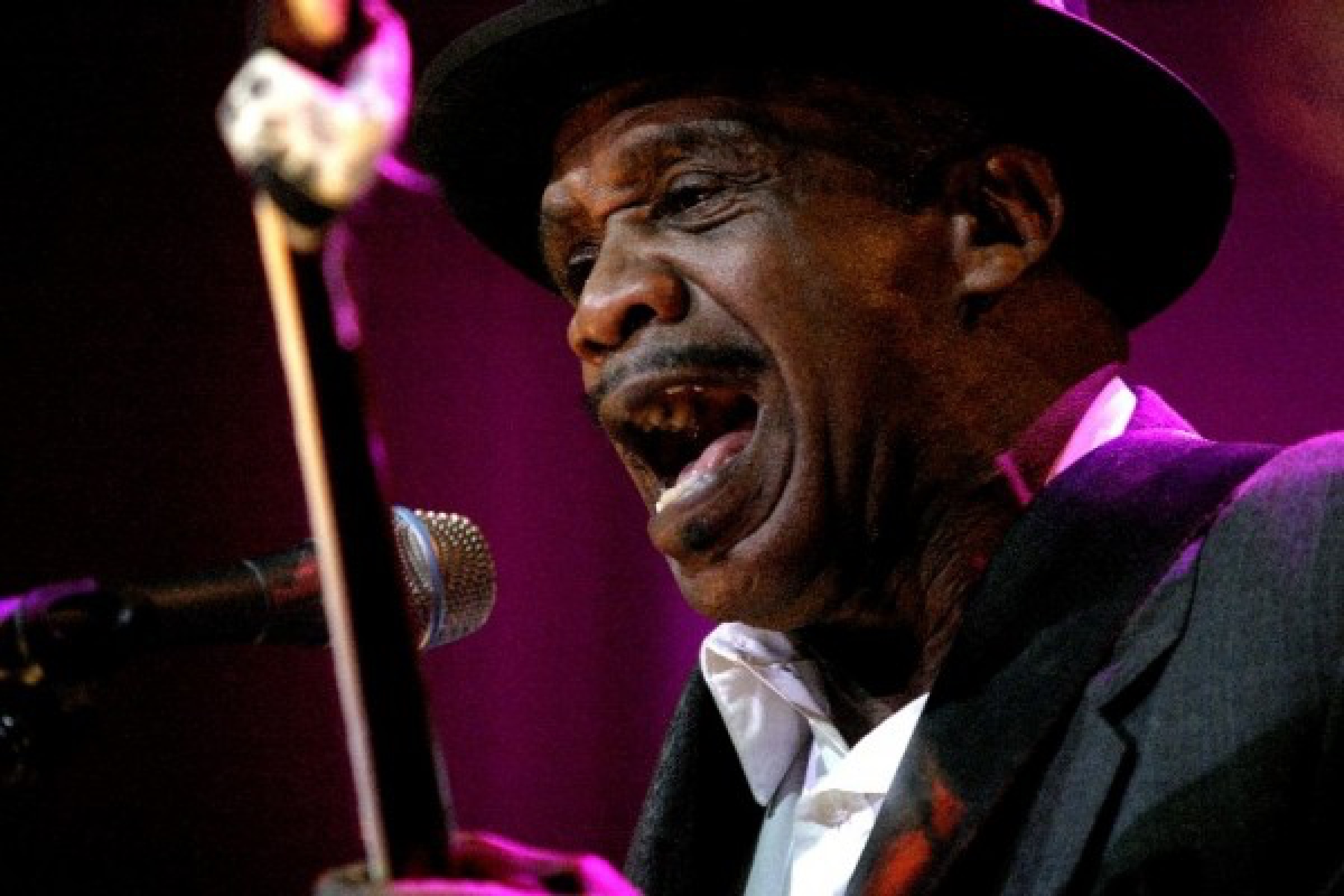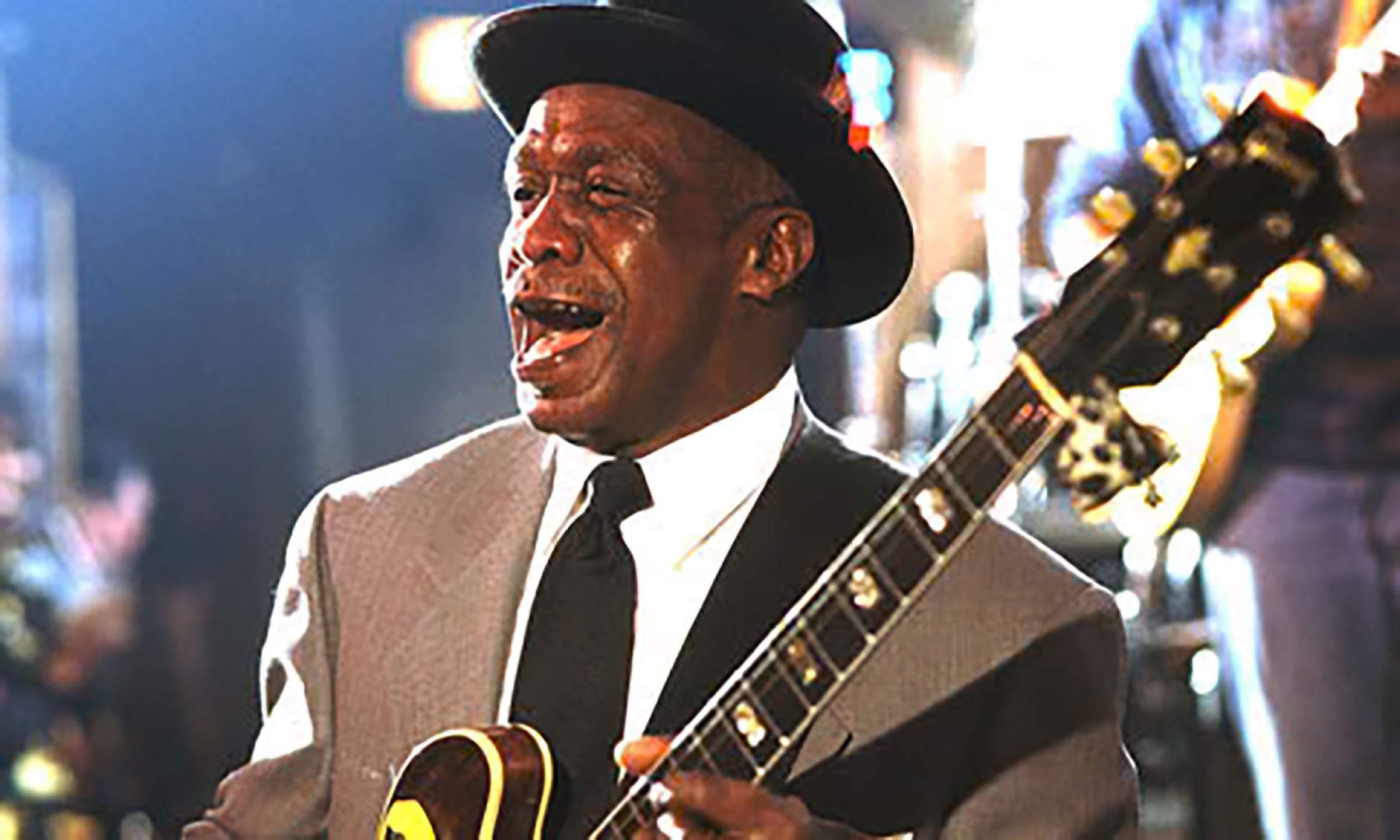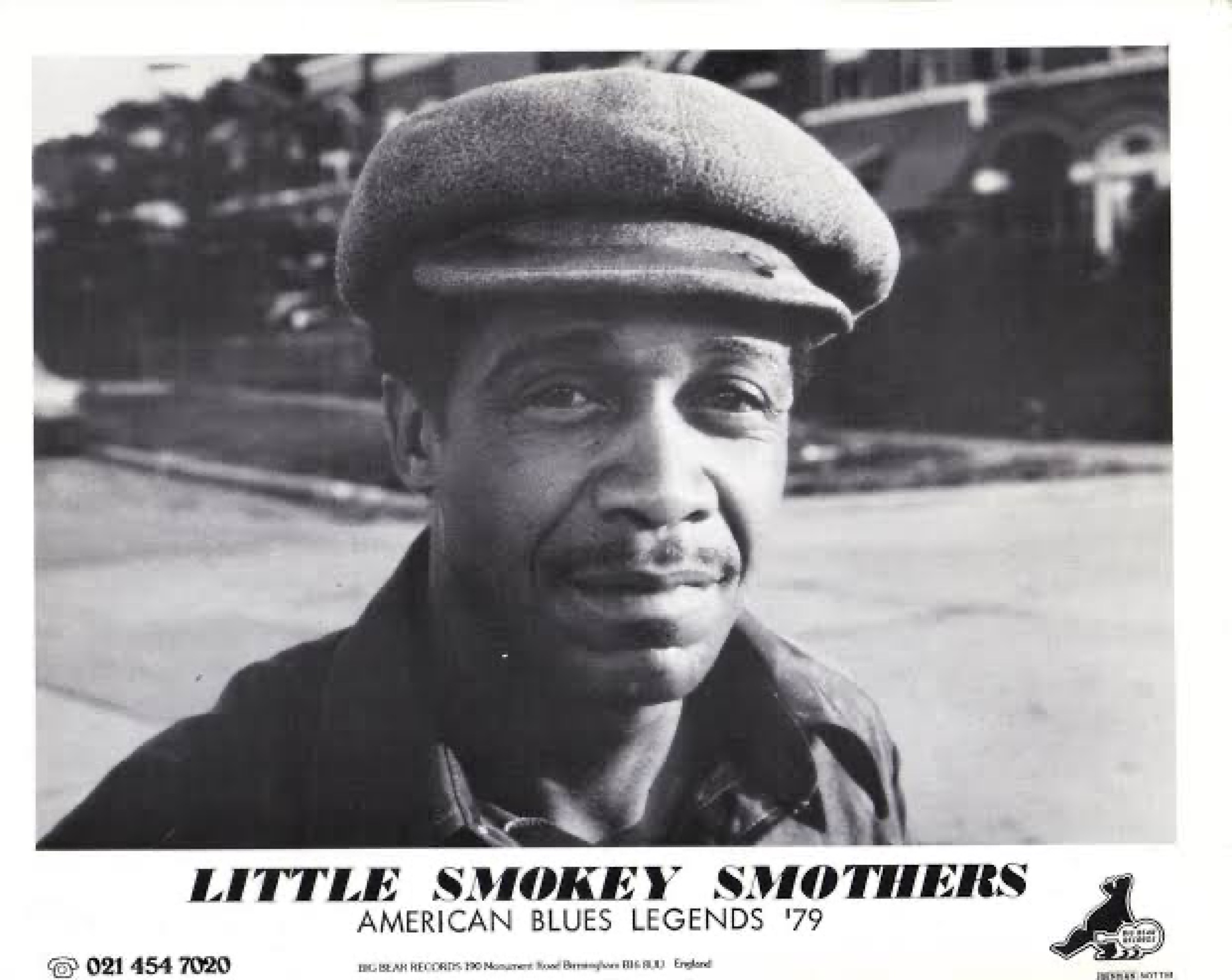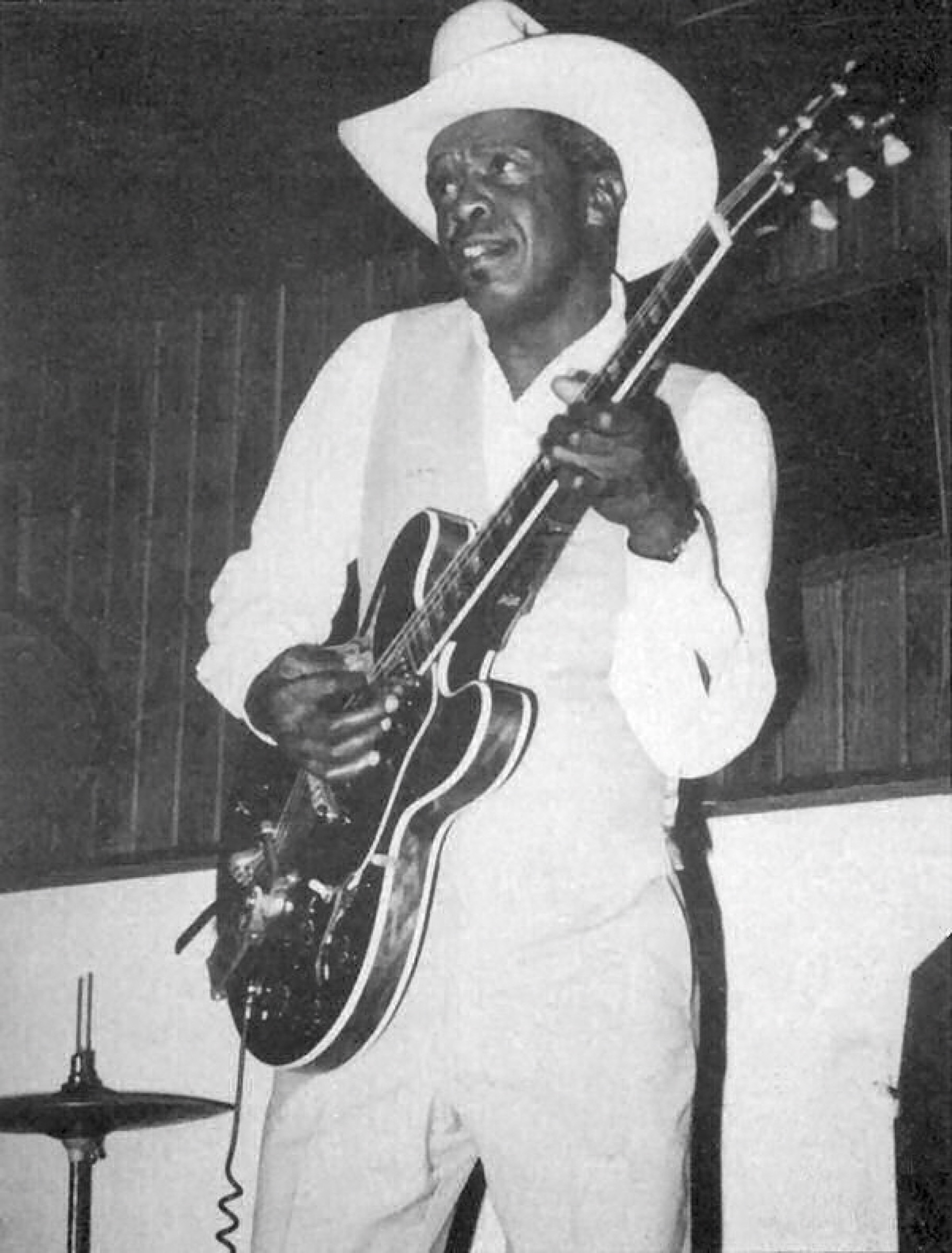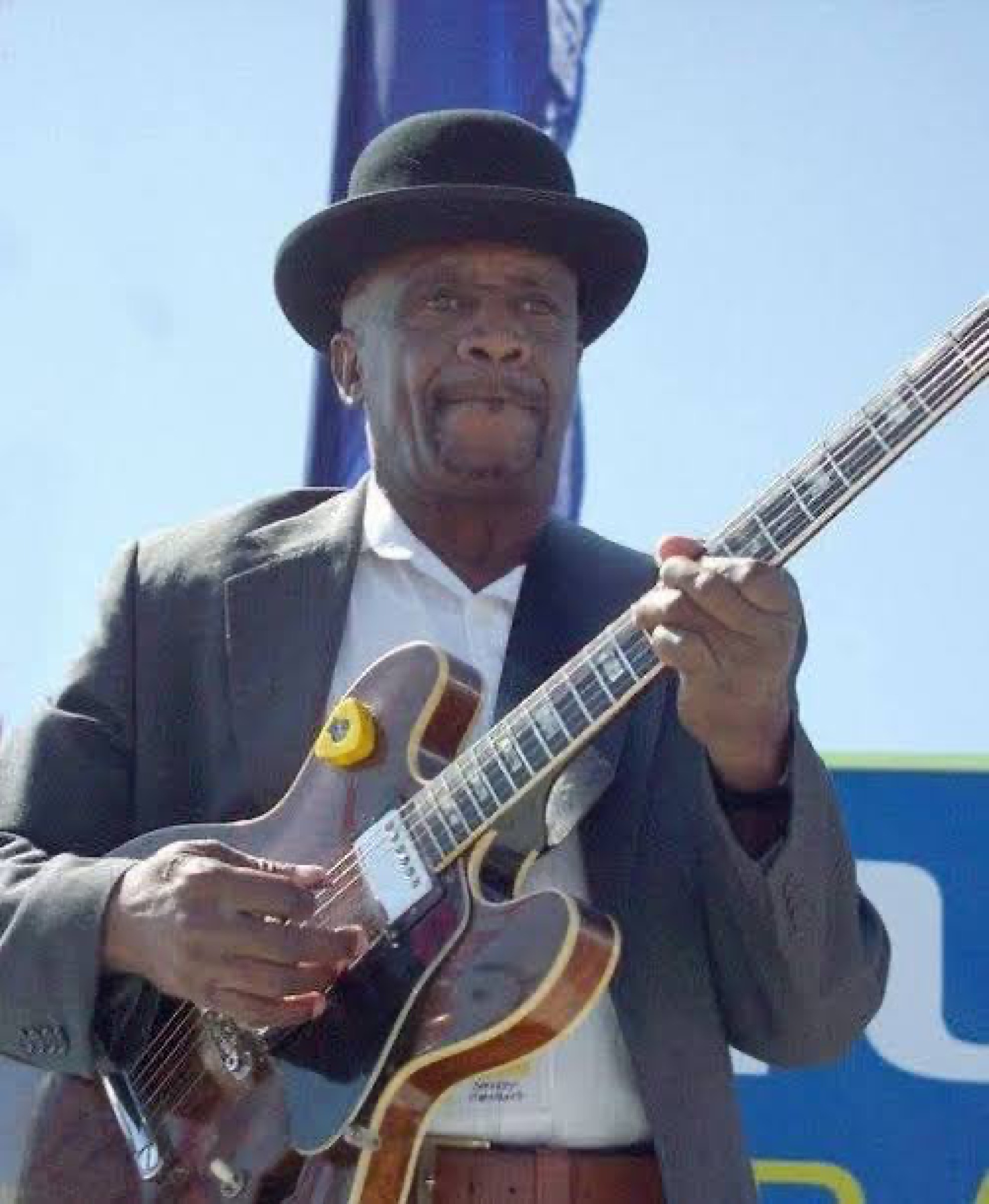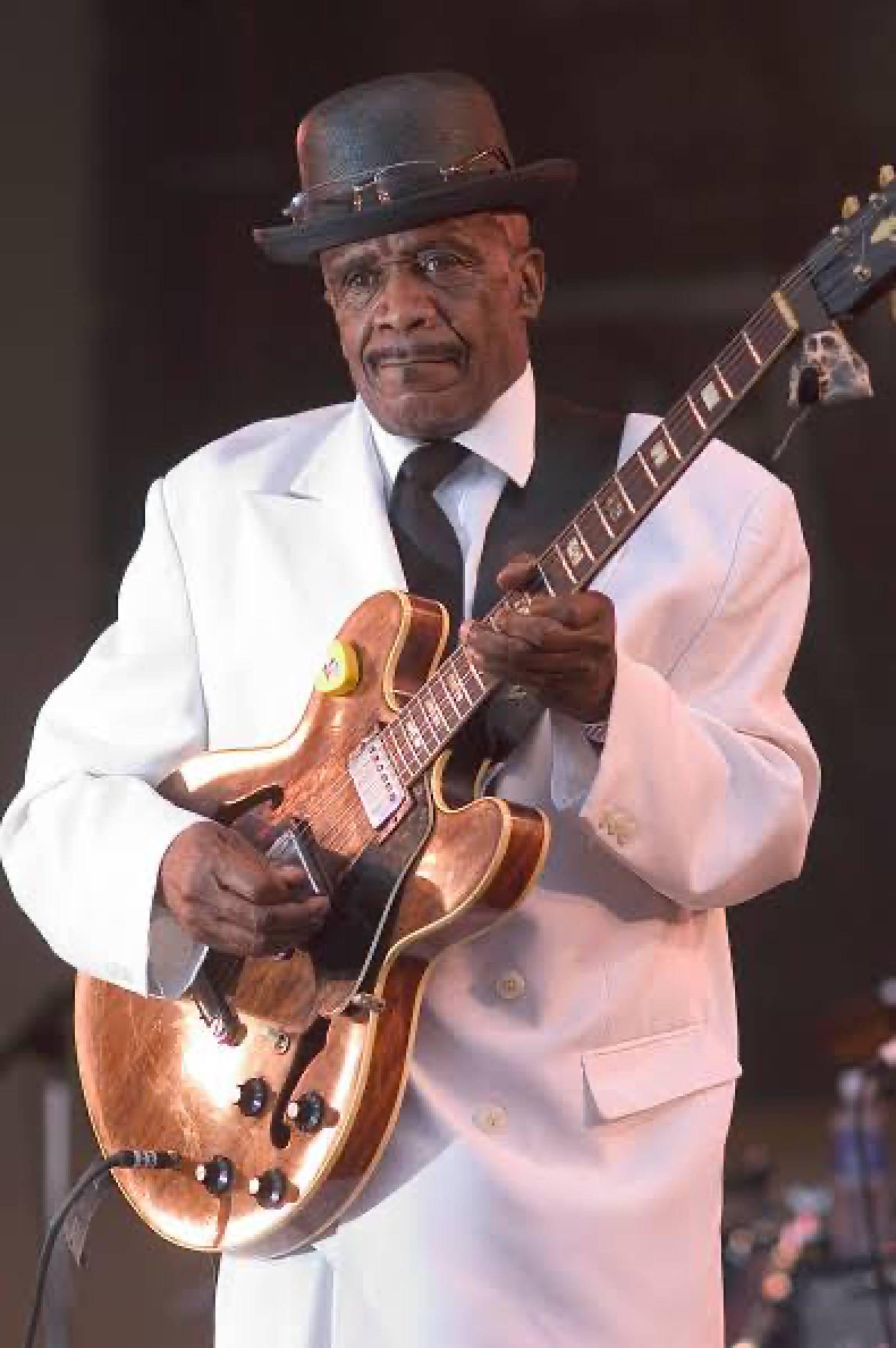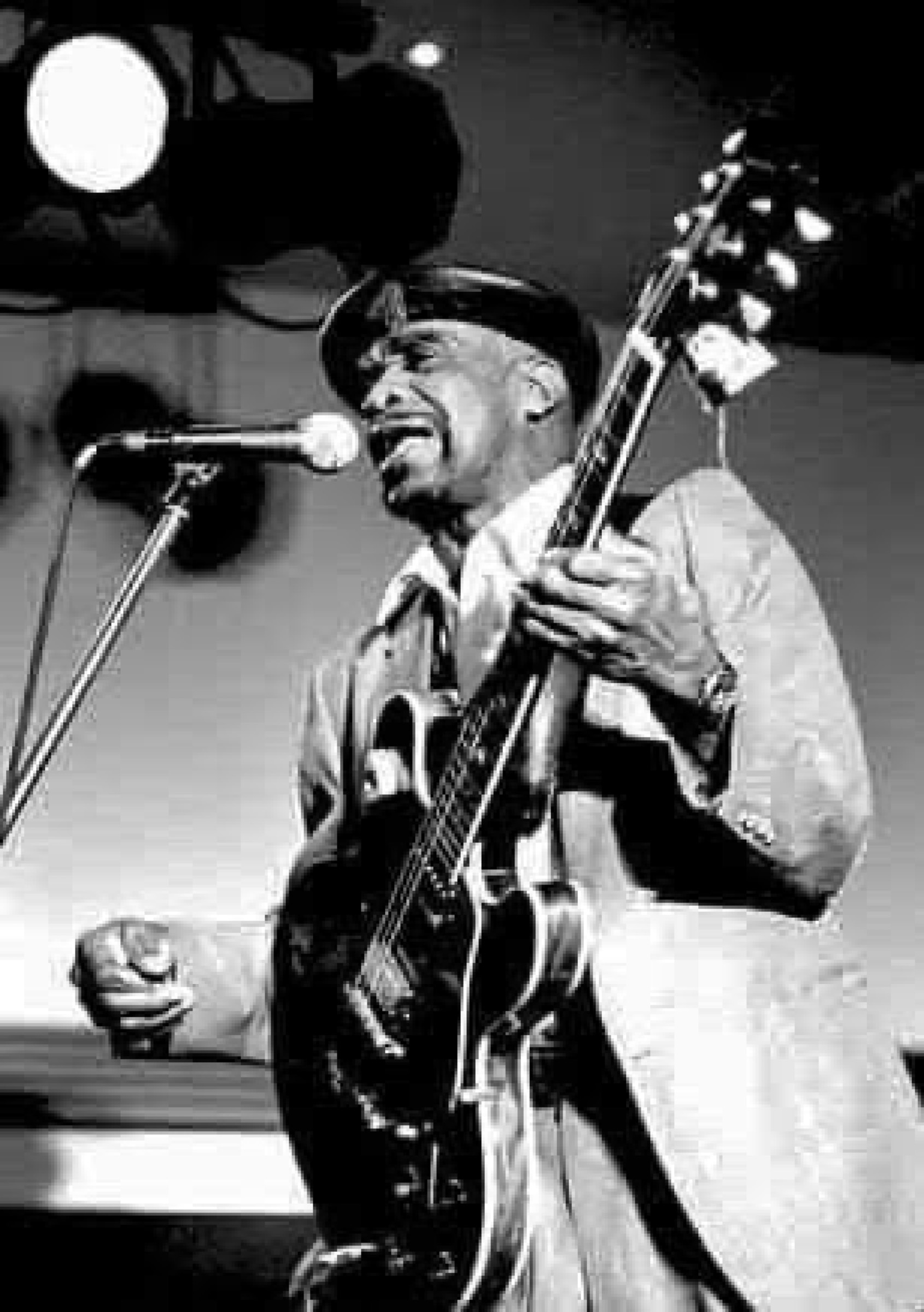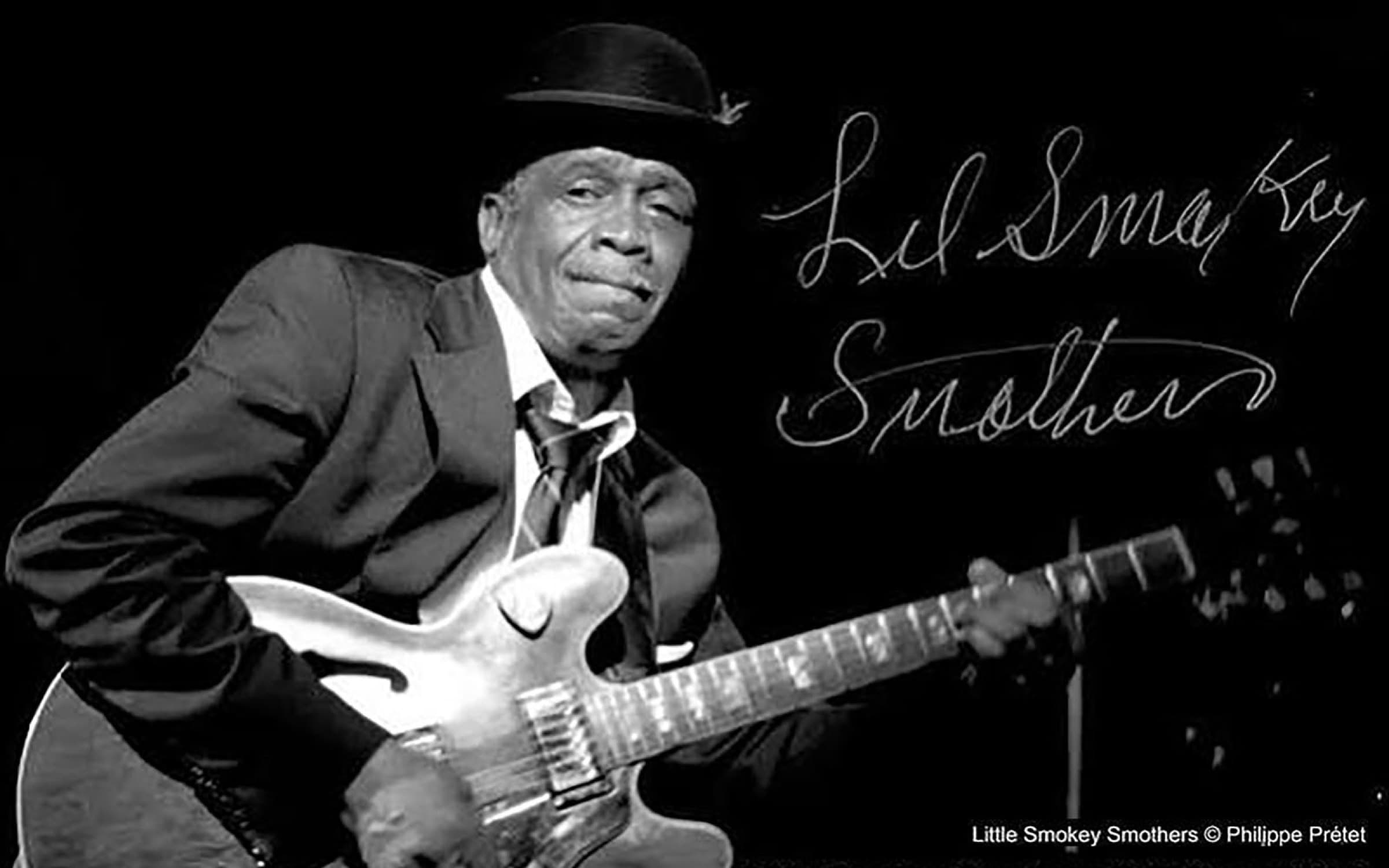
Blues guitarist Little Smokey Smothers, born Albert Abraham Smothers on January 2, 1939, in Tchula, Mississippi, to Dennis Smothers and Emma Lou Smothers.
Blues guitarist Albert "Little Smokey" Smothers, born Albert Abraham Smothers on January 2, 1939, in Tchula, Mississippi, to Dennis Smothers and Emma Lou Smothers.
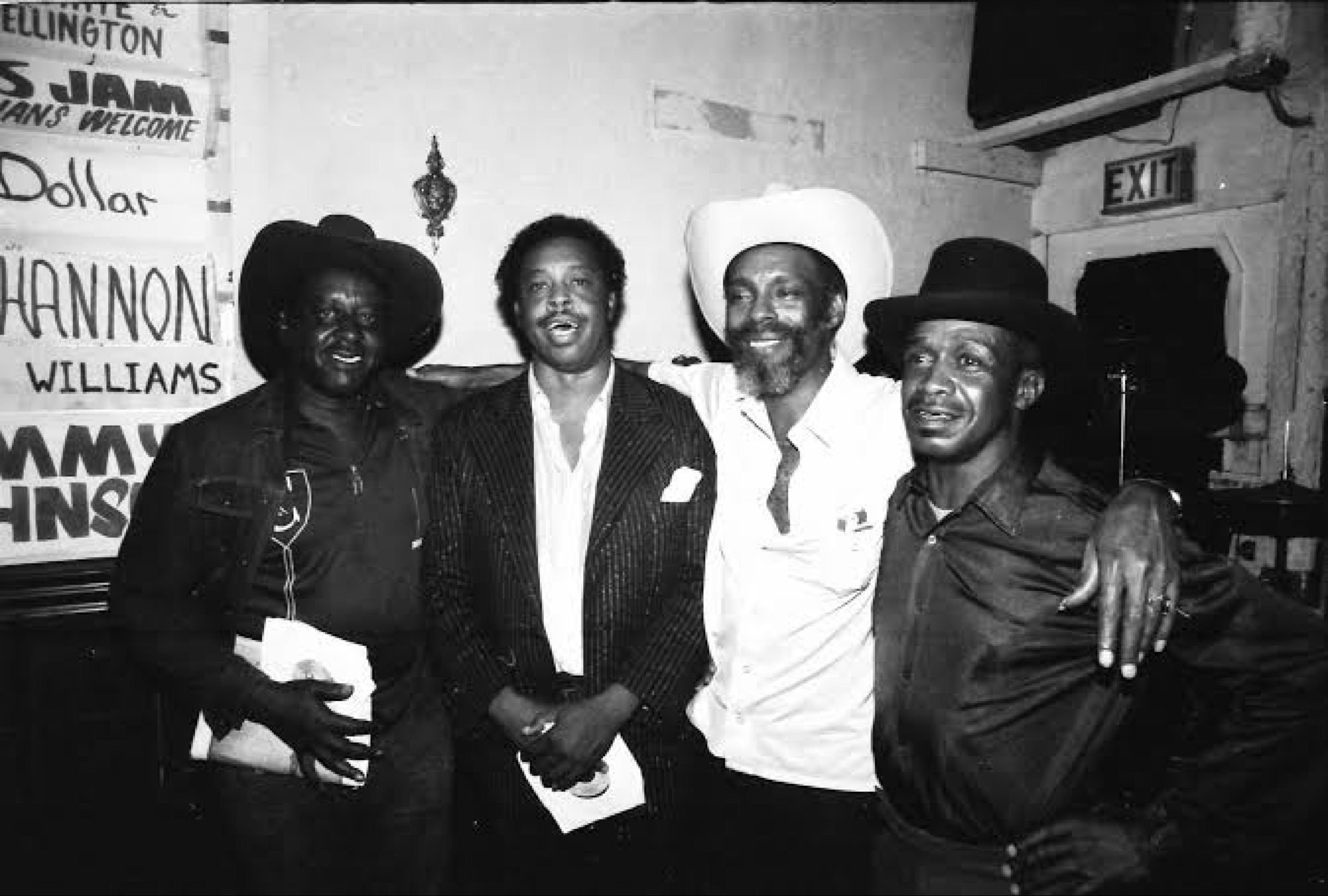
“Little Smokey” Smothers began playing guitar at 15. Two years later, at age 17, following in the footsteps of his older brother, fellow blues guitarist Otis "Big Smokey" Smothers, “Little Smokey” Smothers moved to Chicago and shortly after landed gigs with Arthur “Big Boy” Spires, Magic Sam, Otis Rush and pianist “Lazy” Bill Lucas. Little Smokey Smothers was close cousins with Lee "Shot" Williams and played an instrumental role in getting then gospel singer Lee "Shot" Williams to switch over to playing blues and R&B. His family tree included several other prominent Chicago blues figures, including Little Smokey's older brother, Otis "Big Smokey" Smothers, cousin Lee "Shot" Williams and another cousin, blues harmonica player Lester "Mad Dog" Davenport.
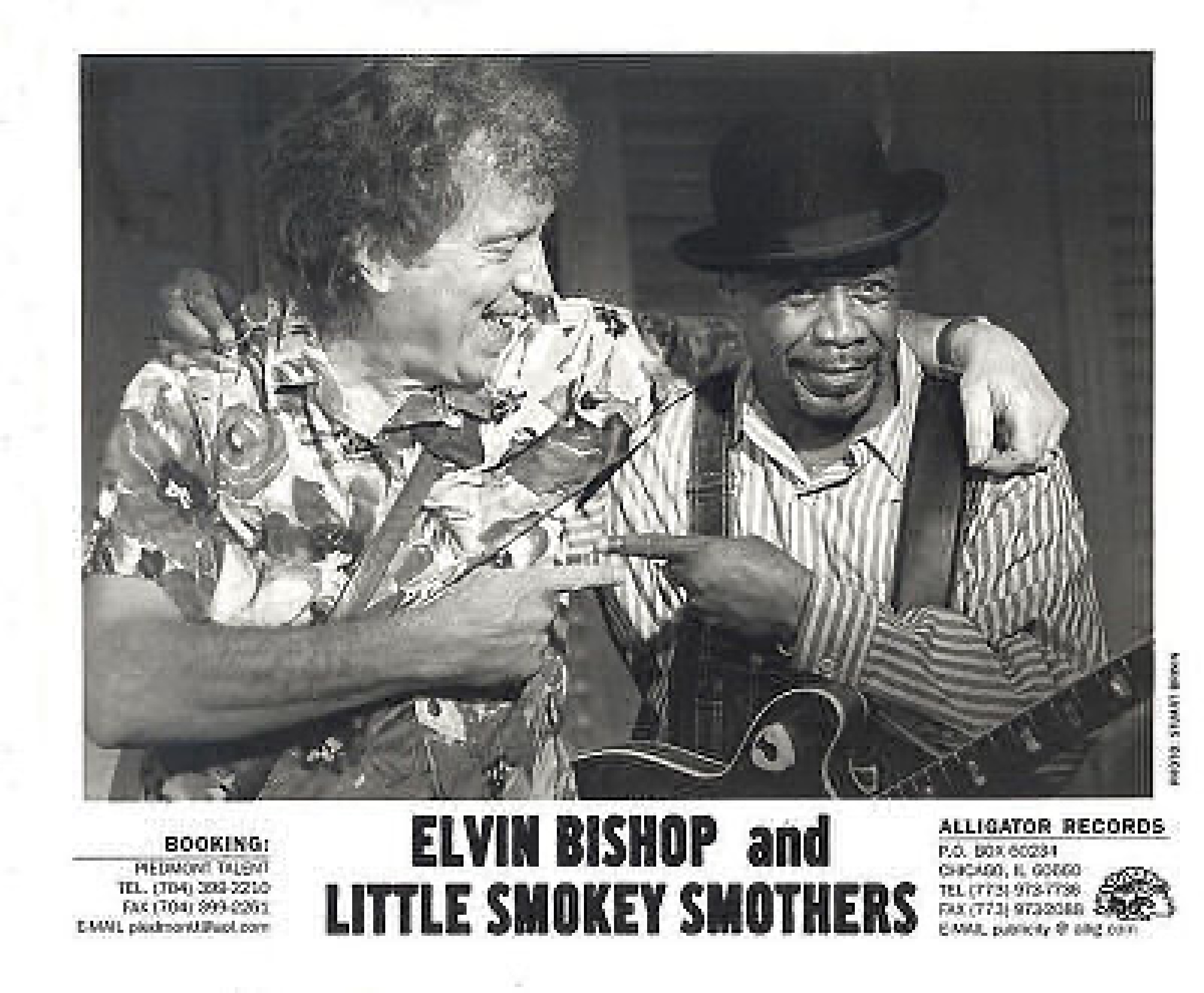
In 1958, “Little Smokey” Smothers joined Howlin’ Wolf and can be heard on Wolf classics such as "I’ve Been Abused', "Howlin’ For My Darlin’", and "Mr. Airplane Man." Three years later, in 1961, he formed Little Smokey Smothers and the Pipeplayers and, in Smothers’ words, “played nearly everything on the jukebox,” at the South Side’s Blue Flame, the Playhouse and Pepper’s Lounge. He further established his presence in the blues world with his collaboration with Paul Butterfield which led to his involvement with the Paul Butterfield Blues Band, in which he was a founding guitarist. Before leaving the group, he served as a vital mentor to both Paul Butterfield and his replacement, Elvin Bishop, sparking a lifelong musical partnership with Bishop.
When blues club opportunities declined in the 1970s, “Little Smokey” Smothers stepped away from full-time music to work in construction. Despite a hiatus in the 1970s, “Little Smokey” Smothers returned to blues music scene with renewed vigor, recording with Mojo Buford and joining the Legendary Blues Band in the 1980s. His first solo album, "Bossman! The Chicago Blues of Little Smokey Smothers," was released in 1993, featuring guest appearances by Elvin Bishop and his cousin Lee "Shot" Williams. “Little Smokey” Smothers' recent recordings include "Bossman!" and "Second Time Around" widely acclaimed as modern Chicago blues classics.
“Little Smokey” Smothers' later years were marked by health challenges, including diabetes, which led to the amputation of his legs. Nevertheless, he continued to perform and record, leaving behind a rich legacy of blues music. His contributions to the genre were celebrated in the 2000 live album "That's My Partner," recorded with Elvin Bishop and “Little Smokey” Smothers is widely considered a key influential modern American Chicago blues guitarist and singer known for his crisp guitar work and mentorship of younger blues musicians.